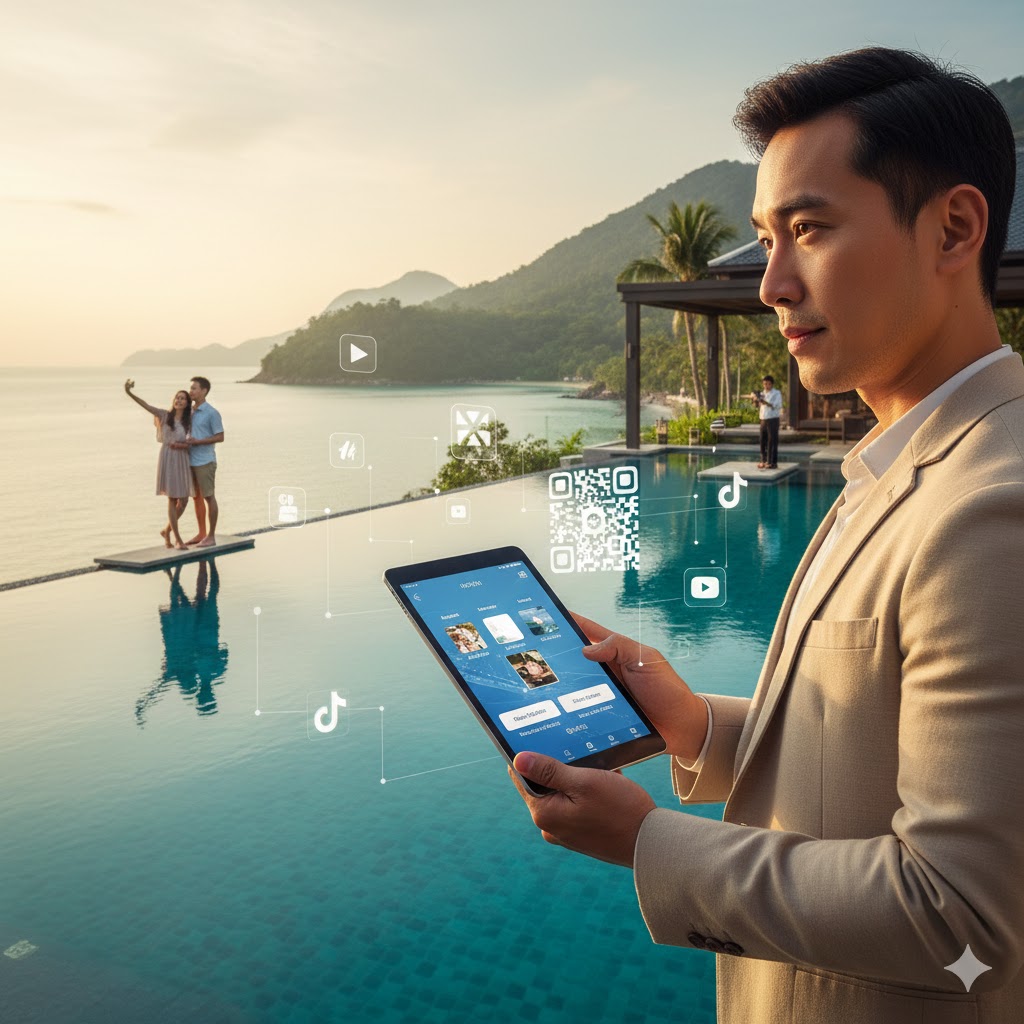
**Modern Pathways for Thai Hotels and Resorts**
By Charles Tan
In Thailand’s increasingly sophisticated hospitality landscape—where global brands, boutique gems, and lifestyle resorts all compete for the same traveler’s fleeting attention—the rules of marketing have changed. Traditional approaches still matter, but they no longer guarantee distinction. To stand out today, hotels and resorts must embrace modern creative pathways: strategies that are deeply human, insight-driven, hyper-experiential, and uniquely Thai in their soul.
This article presents a forward-looking framework—fresh, practical, and not yet widely adopted—that can help Thai hospitality businesses reimagine how they attract, engage, and inspire today’s travelers.
- The New Marketing Mindset: From Promotion to Meaning
The most successful hotels no longer “sell rooms.”
They sell belonging, emotion, and transformation.
Creative marketing for Thai hotels begins with finding what makes the property emotionally irreplaceable—and communicating it through modern storytelling:
- Identity Marketing: Shift from “What we offer” to “Who our guests become when they stay with us.”
- Emotive Thai Narratives: Use local artistry, culinary heritage, wellness philosophies, and cultural rituals to craft unmistakable brand signatures.
- Visual Poetry: Replace generic visuals with cinematic micro-stories—30 seconds of sensory immersion that feel like a living memory.
This approach elevates the brand from a destination to a personal invitation.
- The Architecture of Creative Positioning
Most hotels separate marketing, F&B, wellness, events, and brand identity.
Modern creative strategy blends everything into one coherent lifestyle ecosystem.
The New Positioning Formula
Truth (Who we genuinely are)
- Tension (What the market lacks today)
- Imagination (How we can become unforgettable)
= Creative Brand Positioning that cuts through the noise
For Thailand, this often means:
- Transforming “local experiences” into curated micro-journeys
- Turning Thai hospitality values into modern rituals
- Converting unused spaces into photogenic touchpoints
- Reimagining traditional Thai service through contemporary design and technology
- Sensory-Driven Guest Acquisition
Today’s travelers trust their senses more than advertisements.
To attract them, hotels must create:
- Soundscapes inspired by nature or Thai instruments
- Signature scents for lobby, spa, and villas
- Interactive tastes through pop-up dining, market-style breakfasts, or local culinary ateliers
- Tactile storytelling via materials like bamboo, stone, or silk
A hotel that masterfully constructs its sensory identity becomes effortlessly marketable—because guests market it for you through photos, reels, and word-of-mouth.
- Micro-Community Marketing: The New Power Segment
Rather than chasing mass audiences, creative marketing targets micro-communities:
- Wellness nomads
- Gastronomy travelers
- Digital creators
- Cycling clubs
- Pet-friendly families
- Corporate innovation teams
- “Slow travel” luxury seekers
Each group becomes a loyal tribe when the hotel designs custom rituals, events, and in-stay experiences that speak directly to their passions.
- The Next-Generation Digital Blueprint
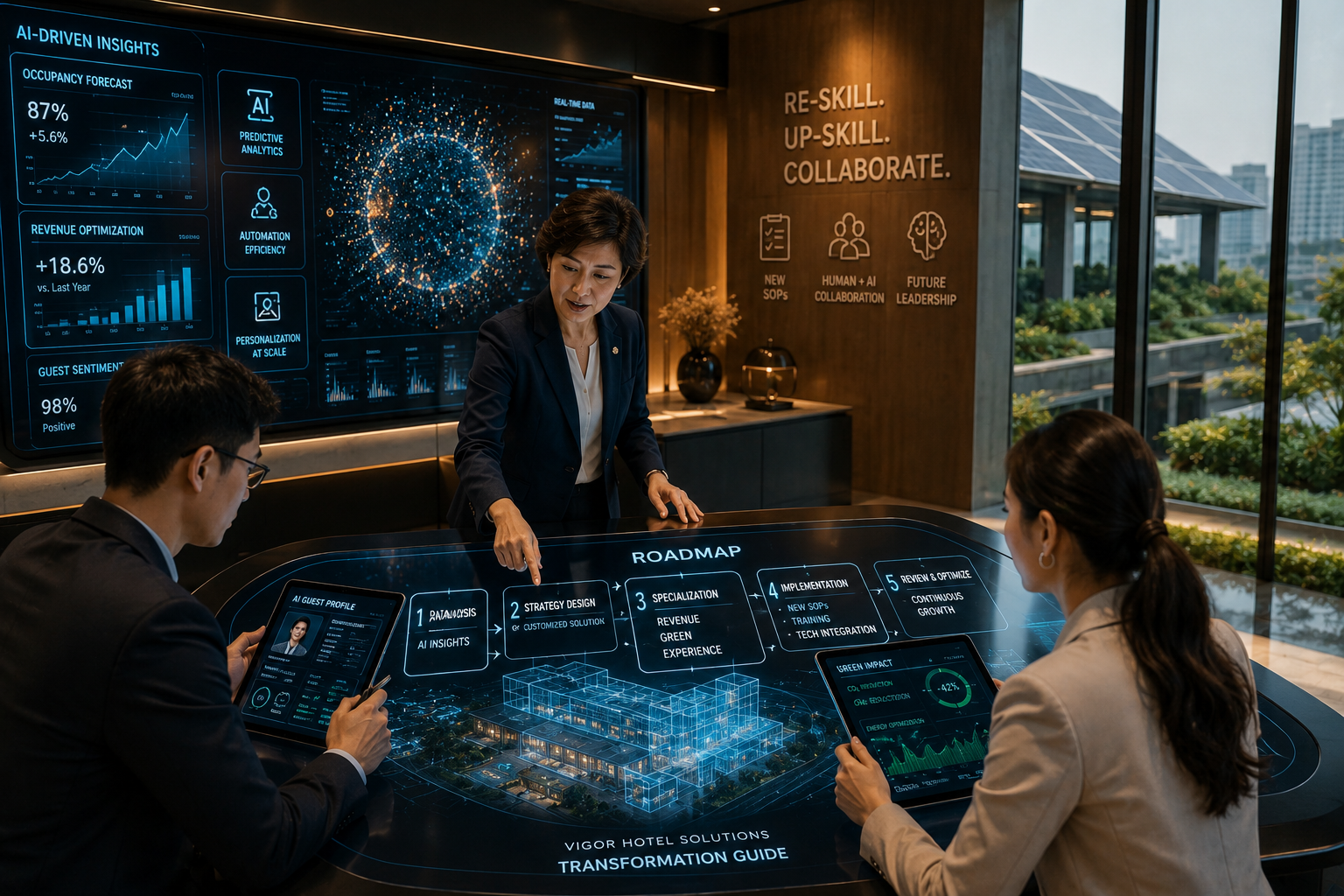
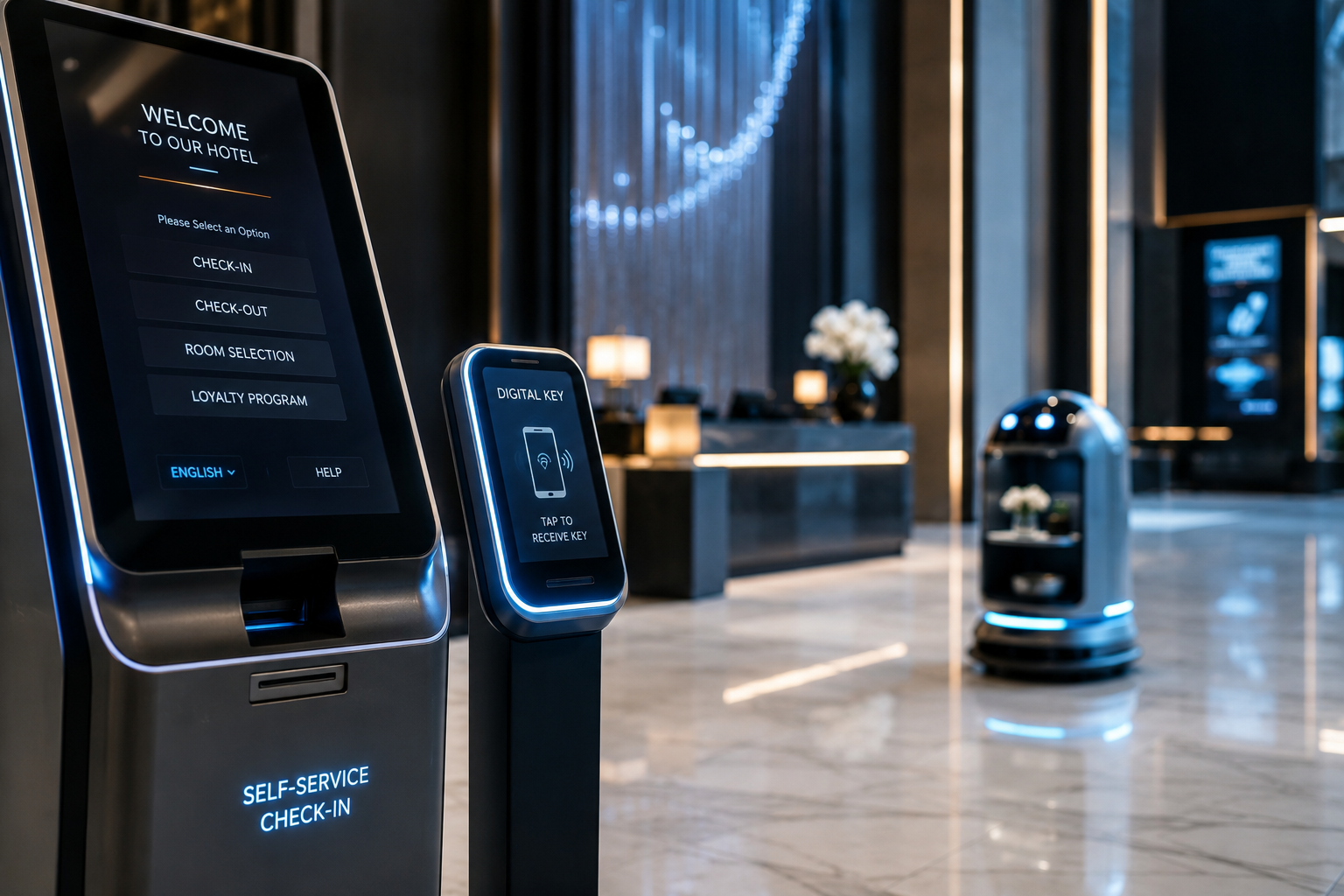
Thai hotels can gain enormous advantage using digital innovation not yet widely adopted in the local market:
- Predictive Personalization
Using behavioral data—not generic CRM blasts—to tailor offers such as:
- Preferred breakfast time
- Room ambience preference
- Desired pace of service
- In-stay upsell moments that feel like gifts, not sales
- Human-First AI Concierge
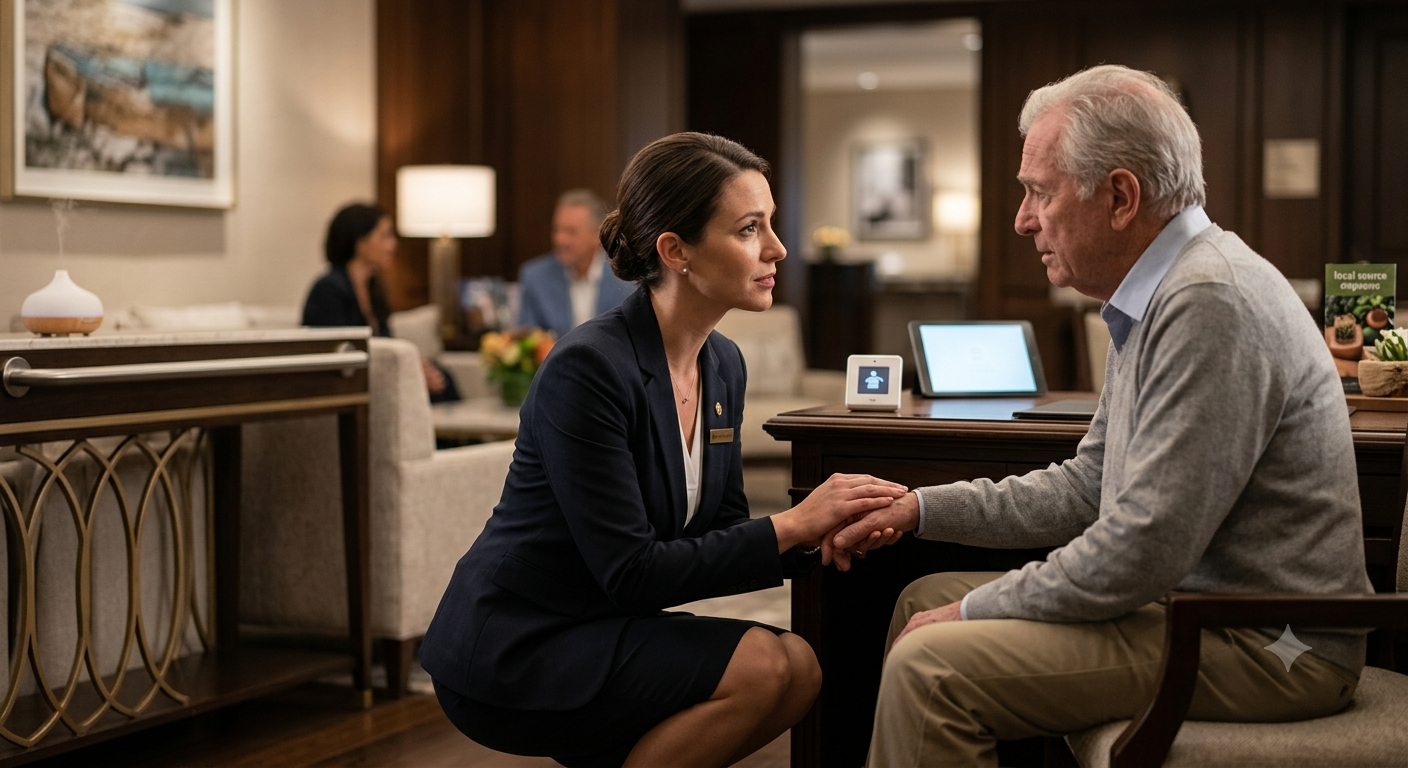
Not robotic. Not transactional.
An AI that speaks with Thai warmth and assists guests with:
- Personalized itineraries
- Restaurant pairings
- Mood-based activity suggestions
- Instant cultural explanations
- Content Intelligence
Analyzing what types of imagery and stories perform best across platforms and adjusting marketing content weekly—not quarterly.
- Transformational Guest Experiences
Creative marketing is not about pushing the brand outward; it’s about pulling guests inward.
This is done by offering transformational moments:
- A sunrise ceremony with a local artisan
- A chef-guided journey through the hotel’s herb garden
- A “digital sunset” activity encouraging technology-free golden hours
- Monthly creative residencies: painters, musicians, or culinary masters
- Emotional departure rituals that leave a lasting memory
These experiences generate the most powerful marketing of all—stories that guests choose to retell.
- Hyper-Local Partnerships with Soul
Most hotels collaborate with tour companies.
Creative hotels collaborate with culture-makers:
- Indie fashion designers
- Craft villages
- Wellness masters
- Naturalist guides
- Local coffee roasters
- Organic farms
- Thai tea sommeliers
- Eco-artists
This elevates the hotel from an accommodation provider to a living cultural platform.
- The New Creative KPIs
Forget “likes” and “followers.”
Modern marketing for Thai hotels measures:
- Guest Emotional Resonance Score
- Micro-Community Penetration
- Story Share Rate
- Sensory Identity Recognition
- Experiential Repeat Intention
- Cultural Integration Index
Hotels that monitor these metrics evolve faster—and stay truly close to the guest’s heart.
**Conclusion:
Thailand’s New Hospitality Frontier Begins with Creativity**
Creative marketing is no longer a luxury—it is the engine of differentiation in a crowded hospitality market.
By blending Thai soul with modern strategy, embracing sensory immersion, cultivating micro-communities, and designing transformational experiences, Thailand’s hotels and resorts can create a new standard of unforgettable travel.
This is not marketing for the sake of visibility.
It is marketing that awakens emotion, deepens connection, and turns every stay into a story worth telling.