By Charles Tan
A Modern Playbook for Hotels and Resorts Redefining Long-Stay Travel
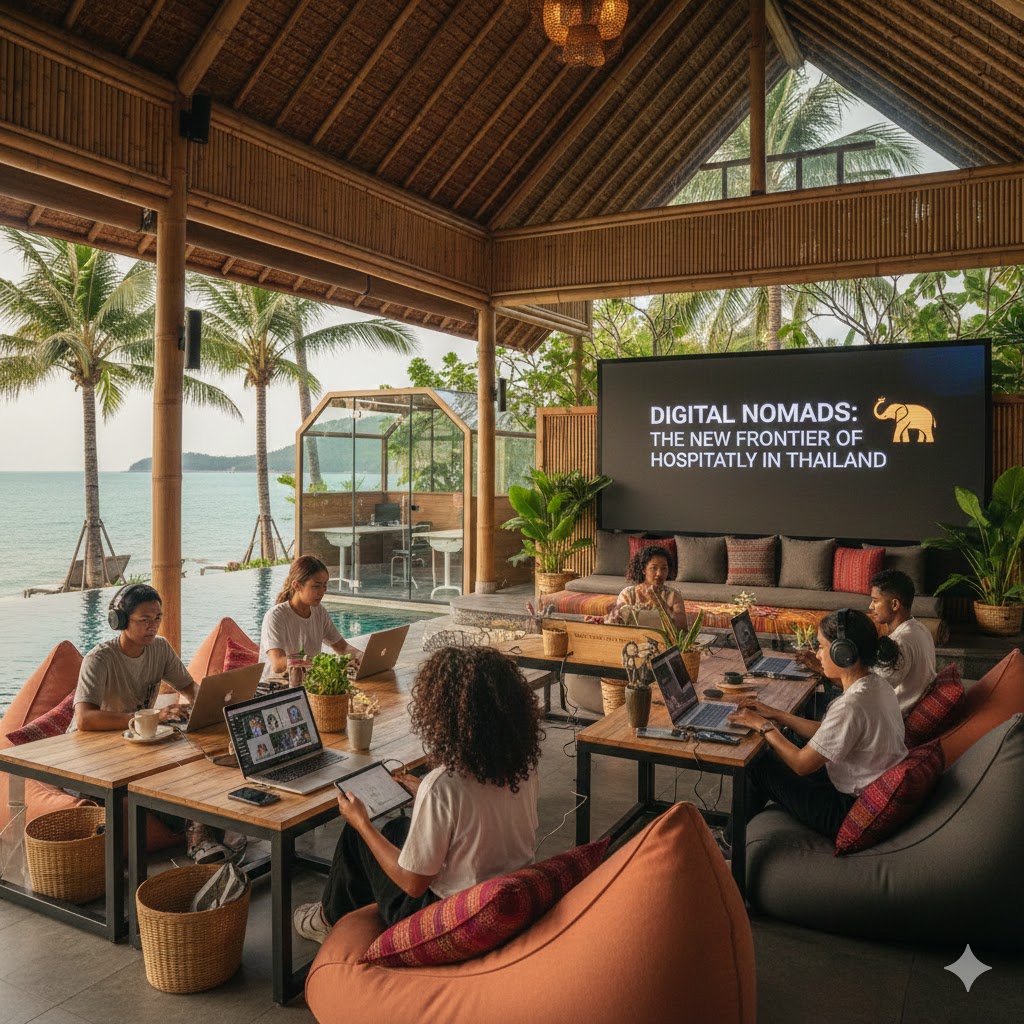
Digital Nomads are no longer a trend — they are a quiet global movement reshaping the future of where people choose to live, work, and feel alive. For hotels and resorts in Thailand, this is more than an emerging market. It is a once-in-a-generation opportunity to redesign hospitality for a world that refuses to separate “work” from “life.”
This article reveals a new blueprint for how Thai properties can serve, retain, and inspire Digital Nomads — written with the depth, elegance, and originality of a luxury industry publication.
- Why Digital Nomads Matter Now
Digital Nomads are the antidote to seasonal volatility.
They stay longer, spend steadily, and integrate deeply into the rhythm of a destination.
Their impact on Thai hotels is profound:
- Longer stays mean stronger revenue stability — weeks turn into months.
- They fill your low season naturally — remote workers don’t travel by climate but by inspiration.
- They amplify your brand for free — they write, publish, film, and share without being asked.
- They become part of your community — and communities are far more loyal than tourists.
More importantly, Nomads value belonging as much as Wi-Fi speed.
This gives Thailand — warm, welcoming, and culturally rich — a strategic advantage that few destinations can match.
- What Digital Nomads Truly Want
Most hotels believe Nomads only need a desk.
But high-performing Nomads look for something deeper:
a place where they can live deliberately.
They seek:
- Internet that feels invisible, not impressive
- Spaces that enhance focus yet soften stress
- Rooms that think like a studio apartment, not a hotel
- Freedom to stay longer without friction
- A community where conversations flow naturally
They want to work in the morning, breathe at noon, and discover a hidden café at sunset.
Your hotel becomes not a stopover — but a rhythm.
- Designing a Hotel for the New Remote Generation
- Workspaces with Purpose
True Nomad-centric properties design areas that understand the human brain:
- Deep-focus zones with warm lighting and zero noise bleed
- Quick-call booths where guests can step in and present like a CEO
- Communal tables that spark unplanned connections
- Sunlit corners where creativity feels effortless
Every seat should whisper, You belong here.
- Rooms for Real Work and Real Life
Transform your rooms into intuitive micro-apartments:
- Ergonomic chairs guests genuinely enjoy sitting in
- Multiple outlets within arm’s reach (not behind the bed)
- Gentle lighting that flatters skin tone on Zoom
- Kitchenettes for long stays
- Monthly housekeeping schedules that respect privacy
Comfort isn’t luxury — comfort is productivity.
- The Art of Community Building
A Digital Nomad will forgive slow housekeeping.
But they will never forget how your community made them feel.
Create weekly rituals:
- Monday “Creators’ Coffee”
- Sunset walks
- Skill-sharing sessions
- Local artisan nights
- Language exchange meetups
A hotel without a community is a room.
A hotel with a community is a lifestyle.
- Technology that Never Shows Off, Only Serves
Nomads don’t want complicated features.
They want invisible intelligence.
Build technology that acts quietly:
- High-speed, symmetrical Wi-Fi with automatic failover
- A booking app for desks, meeting rooms, and events
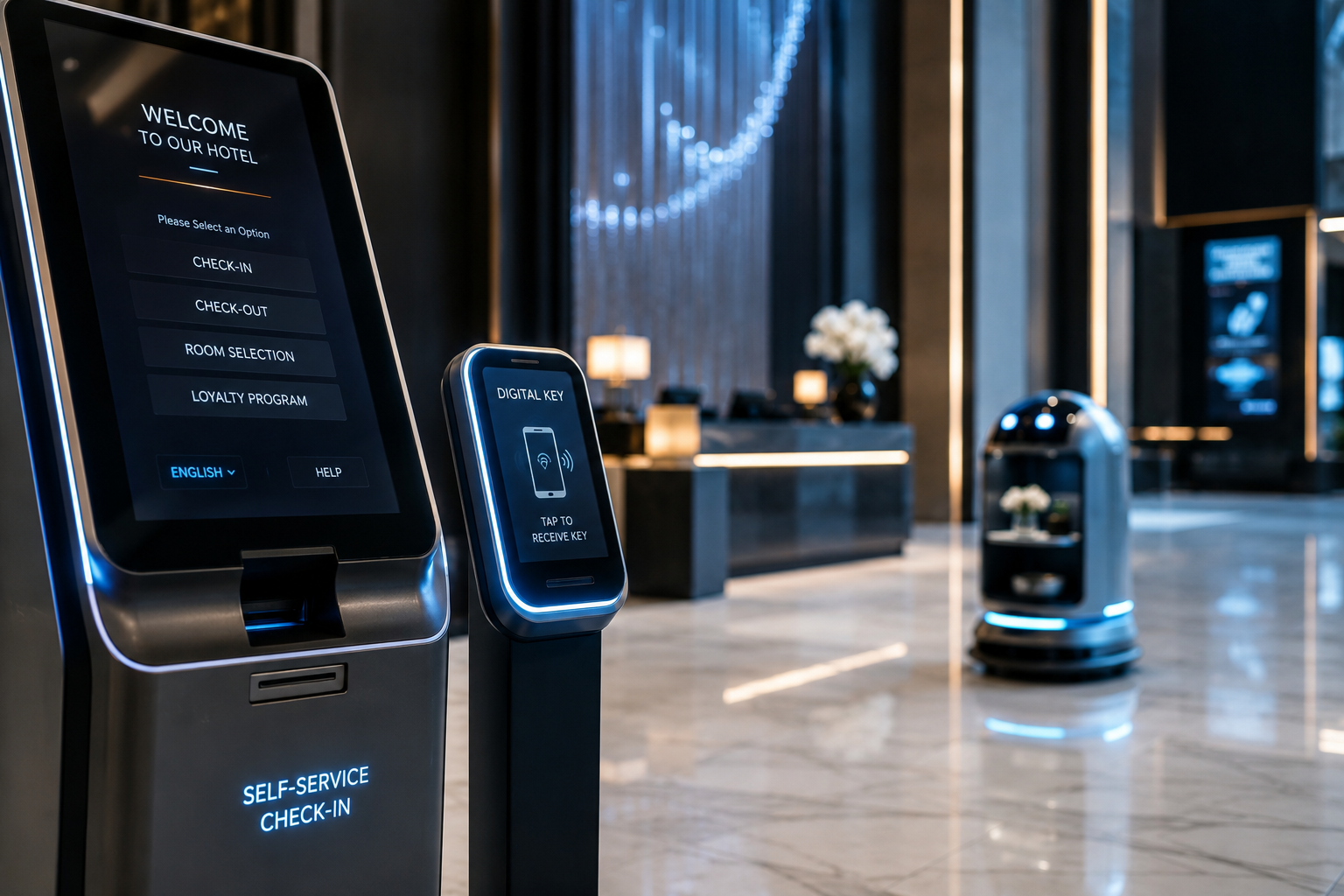
- Seamless mobile keys
- Clear digital onboarding before arrival
- Secure networks that respect both privacy and professionalism
Technology is not the star — but the stage.
- Marketing to Digital Nomads: Speak Their Language
Nomads distrust anything that feels “touristy.”
Your marketing must feel authentic, grounded, and human.
Where to communicate:
- Nomad List
- LinkedIn remote-work groups
- Thailand Digital Nomad communities
- YouTube reviews
- Long-stay platforms (Airbnb, Agoda, Booking long-stay)
What to communicate:
- Your internet truthfully — down to the upload speed
- Highlights of your community events
- Honest photos of workspaces (not staged)
- Real stories from long-stay guests
You don’t market to Digital Nomads.
You invite them.
- Modern Revenue Strategy for Nomad-Driven Hotels
Digital Nomads open new pathways for sustainable revenue:
- Length-of-Stay models
- 7-day creative retreat
- 14-day Work & Explore
- 30-day Deep-Focus Residency
Each tier with progressive discounts.
- Workspace subscription models
- Day passes
- Weekly bundles
- Monthly memberships with perks
- Priority access to meeting rooms
- Ancillary revenue
Nomads spend consistently on:
- Coffee
- Laundry
- Experiences
- Airport transfers
- Gear rental
They do not bargain. They invest in convenience.
- The Thai Advantage: What the World Cannot Replicate
Thailand’s hospitality DNA — warmth, respect, adaptability — is perfectly aligned with Nomad culture.
Your strengths are extraordinary:
- Genuine kindness (not scripted service)
- Affordable long-stay value
- Natural beauty as daily inspiration
- Culinary culture that makes living joyful
- Cities built for comfort, islands built for creativity
A Digital Nomad in Thailand doesn’t just stay.
They transform.
- The Roadmap: Building a Nomad-Ready Property in 90 Days
Phase 1 — Foundation (Days 1–30)
- Wi-Fi audit + backup ISP
- Create 10 “Nomad-Ready” rooms
- Convert a quiet zone into a coworking space
- Design long-stay pricing tiers
- Train staff in Nomad-specific service touchpoints
Phase 2 — Community (Days 31–60)
- Launch weekly events
- Build partnerships with local cafés, tour guides, SIM providers
- Start a private Discord/LINE community
- Produce honest content showcasing real Nomad life
Phase 3 — Marketing (Days 61–90)
- Publish long-stay pages
- Announce Work & Stay packages
- Collaborate with micro-creators
- Run campaigns targeting remote workers in Europe, Australia, Korea, Japan
In 90 days, your hotel transforms from “accommodation” into a “living ecosystem.”
- The Deeper Truth
Digital Nomads aren’t just customers.
They are pioneers of a new way of living — one where personal freedom, meaningful work, and cultural immersion coexist gracefully.
For hotels and resorts in Thailand, embracing this shift is not about following a trend.
It is about leading a new era of hospitality where home, office, and community unite seamlessly in one place.