By Charles Tan
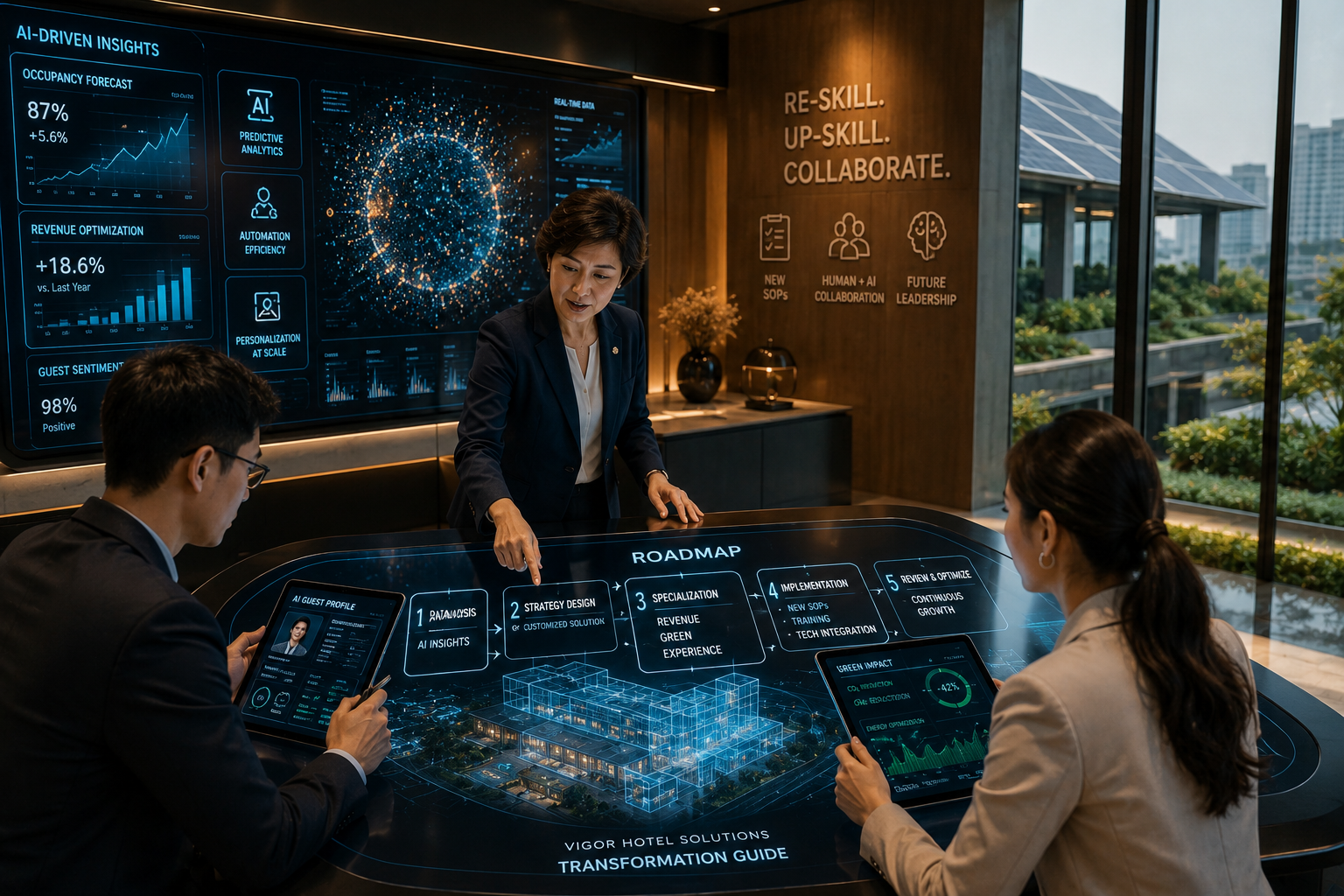
As Thailand transitions into a super-aged society, the hospitality sector is facing an unprecedented crisis: the rapid evaporation of the young, entry-level workforce. For hotel owners and operators, waiting for a macroeconomic solution is not an option. Survival dictates an immediate overhaul of internal human resources, driven by operational intelligence, strategic automation, and ironclad processes.
Leveraging Senior Talents as Premium Assets
While the volume of young applicants shrinks, a massive demographic of “Active Seniors”—retirees who are healthy, sharp, and eager to remain productive—is growing. Forward-thinking properties are bringing these veterans back into the fold.
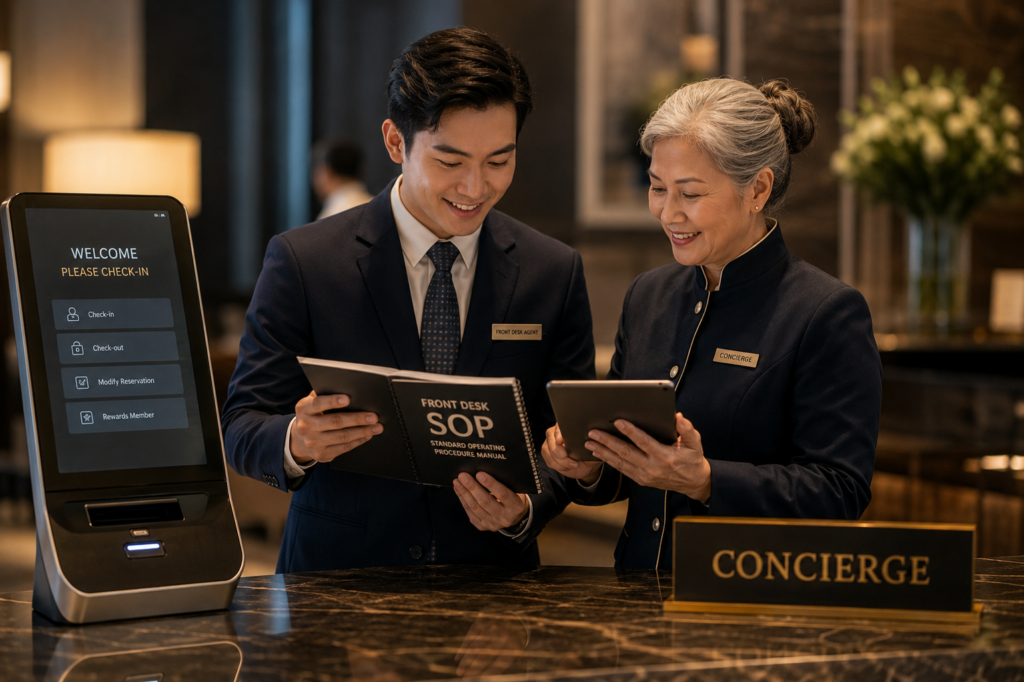
With decades of life experience, senior professionals possess a level of emotional intelligence, patience, and refined communication that cannot be taught in a classroom. Reintegrating them into high-touch, guest-facing roles—such as Guest Relations, Front Office, Concierge, or F&B Advisory—instantly elevates a hotel’s service delivery.
Offloading the Burden to AI and Automation
To make an aging or leaner workforce sustainable, hotels must aggressively eliminate operational friction. This means deploying artificial intelligence and automation to absorb heavy, repetitive, or administrative tasks.
-
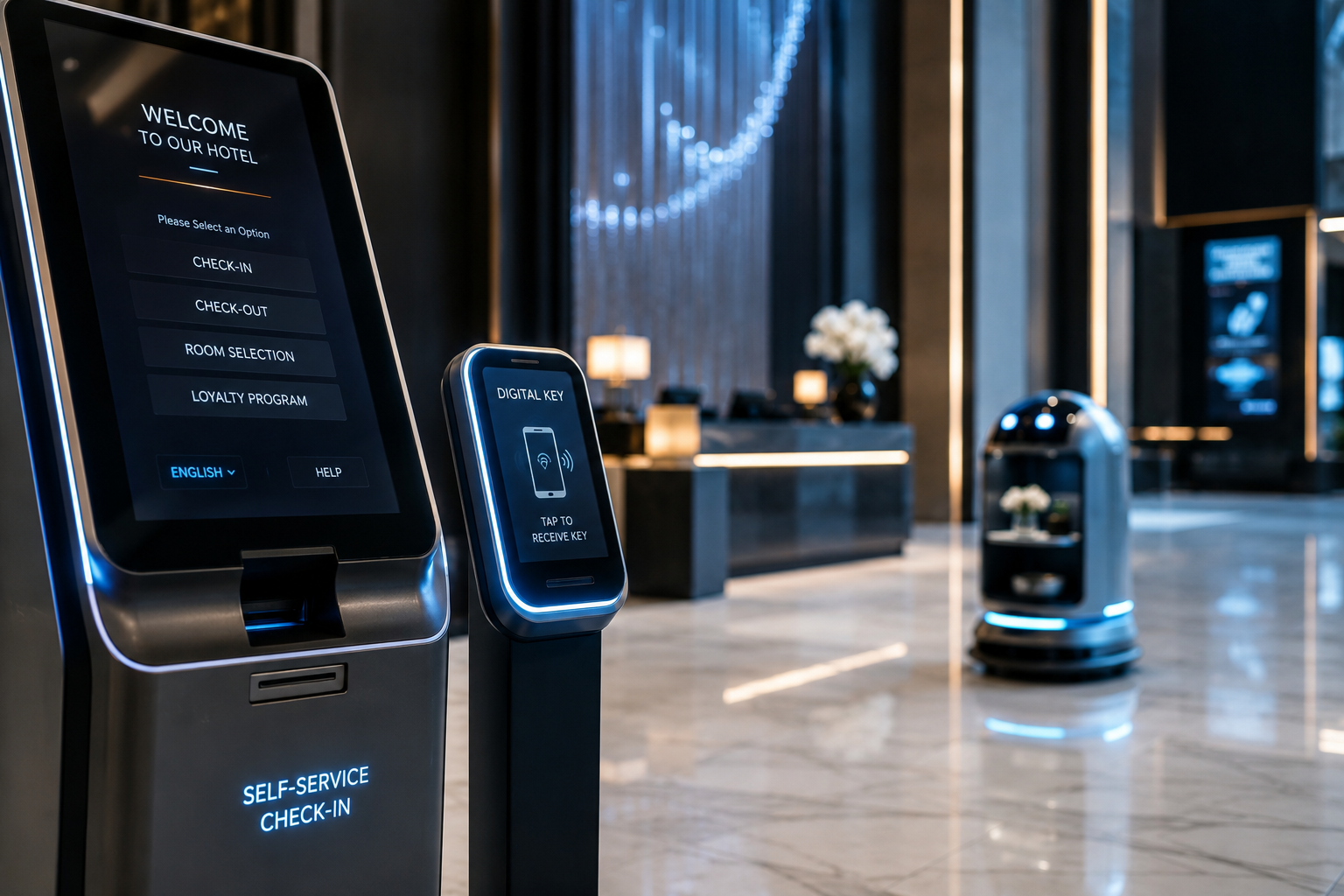
Self-Service Check-In Kiosks & Mobile Keys: Frees up front-of-house staff from administrative bottlenecks, allowing them to focus entirely on genuine guest interaction.
-
Automated Inventory & Back-Office Systems: Minimizes manual data entry and human error in purchasing and accounting.
-
Predictive Maintenance Software: Allows engineering teams to fix issues before they disrupt operations, optimizing labor schedules.
Bridging the Generational Gap with Meticulous SOPs
When a workforce spans multiple generations, communication friction is inevitable. The antidote is a bulletproof library of Standard Operating Procedures (SOPs).
By defining every task with clinical clarity, cross-training becomes seamless, and onboarding timelines are cut in half. A well-structured SOP acts as a universal operational language, ensuring that whether a task is executed by a 22-year-old digital native or a 60-year-old industry veteran, the output remains identical, predictable, and premium.