By Charles Tan, Vigor Hotel Solutions
In Thailand’s vibrant hospitality industry – one of the cornerstones of the nation’s economy – the practice of imposing “compulsory” charges, most notably mandatory gala dinners during major holidays, remains a topic of lively debate. Especially on New Year’s Eve, this long-standing policy acts as a double-edged sword: it boosts revenue for hotels while often pricing local Thais out of their own destinations. This article traces the history of compulsory pricing, examines its current state with concrete 2025-2026 examples, includes a clear price-comparison chart, and offers thoughtful recommendations for a more inclusive future.
Looking Back: When Festivals Became Golden Opportunities
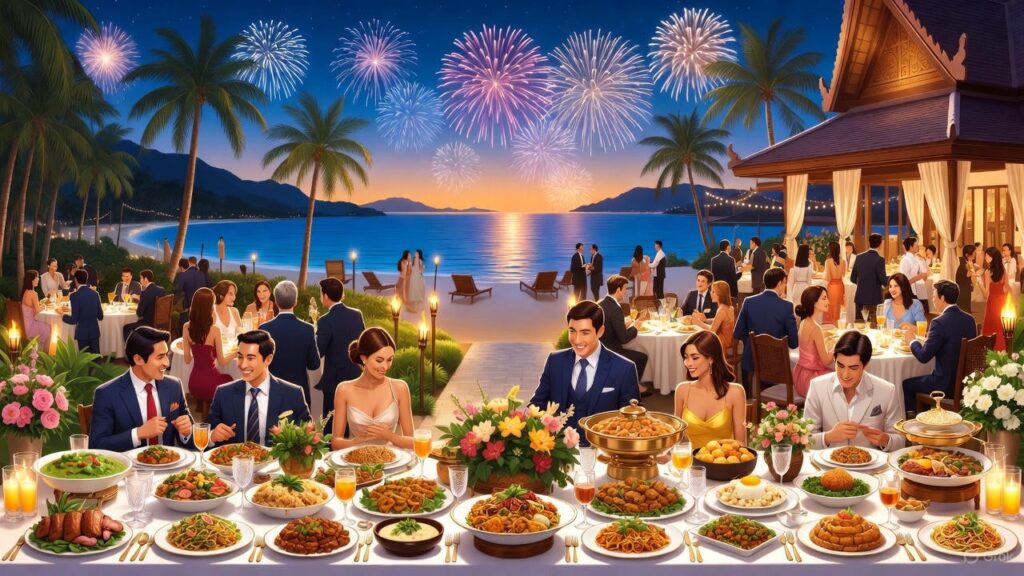
For decades, hotels in prime tourist spots such as Phuket, Pattaya, Krabi, Koh Samui, and Bangkok have routinely added compulsory gala dinners on Christmas Eve and New Year’s Eve. These lavish events – complete with fireworks, live entertainment, international buffets, and spectacular shows – were designed to justify the surcharge while capitalizing on sky-high demand from international visitors.
Classic examples include the Mandarin Oriental Bangkok, which historically required guests staying over New Year to pay for the gala dinner with no opt-out, and many resorts in Phuket and Samui that once charged 5,000–10,000 THB per person. For many Thai families, the steep extra cost turned beloved holiday destinations into places that felt reserved exclusively for foreign tourists.
The Present Landscape (2025–2026): Still Common, Yet More Flexible
Even after the profound shifts brought by the post-COVID era – dynamic pricing, competition from Airbnb, and a stronger focus on domestic travelers – compulsory gala dinners persist, particularly at luxury hotels and beachfront resorts. Here are real examples from the 2025–2026 New Year season:
- Royal Cliff Hotels Group, Pattaya: Hosted a “Lost World Luxe” themed New Year’s Eve Gala Dinner by the infinity pool with sea views and fireworks. Price: approximately 6,500++ THB per adult; mandatory for guests staying that night.
- Banyan Tree Samui: Offered an international buffet gala with midnight fireworks. Price: 16,500 THB nett per adult; included in peak-season packages with multi-night minimum stays.
- InterContinental Phuket Resort: Beachfront gala with countdown and fireworks. Price: 19,500++ THB per person; compulsory on certain packages.
- Nikki Beach Koh Samui: “Dawn to the New Era” Gala Dinner and countdown party. Price: 6,000++ THB per person; mandatory for in-house guests.
- Hotel Clover Patong, Phuket: Gala dinner with lucky draws and entertainment. Price: 3,900 THB per adult.
- M Social Phuket: Gala dinner with beverage options. Price: 3,990 THB nett per person.
To illustrate the range clearly, here is a comparison chart of compulsory gala dinner prices per adult (approximate, excluding taxes and service charges) for New Year’s Eve 2026:
Grok can make mistakes. Always check original sources.
Not every property sticks rigidly to the old model. Hotels such as Rembrandt Hotel Bangkok and Mövenpick BDMS Wellness Resort now offer optional gala dinners or flexible packages, making them more appealing to domestic travelers.
Recommendations: Toward a Balanced and Sustainable Future
For hotel owners and operators: Consider introducing opt-out options or separate gala tickets. Clear, upfront disclosure on booking platforms builds trust. Partnering with government domestic-tourism initiatives and leveraging personalized marketing can broaden the guest base without alienating locals.
For travelers: Always review compulsory policies on the hotel’s official website or trusted booking platforms well in advance. If you love the festive atmosphere, embrace an all-inclusive gala package for a memorable experience. Alternatively, mid-range hotels, boutique properties, or homestays often skip mandatory charges altogether – perfect for a more relaxed celebration.
Compulsory charges remain a proven revenue strategy during high season, yet the real examples, price chart, and emerging flexibility show that adaptation is underway. By becoming more inclusive, Thailand’s hotel industry can ensure that its world-class celebrations are enjoyed by international visitors and locals alike – paving the way for sustainable growth in 2026 and beyond.