By Charles Tan
In an era of rapid technological advancement, artificial intelligence (AI) is reshaping the hospitality and food & beverage (F&B) industries. Many fear that AI will displace human workers en masse, leading to widespread job losses. As we enter 2025, the global AI market in hospitality is experiencing explosive growth, with projections showing it surging from around $150 million in 2024 to $240 million in 2025, reflecting a compound annual growth rate (CAGR) exceeding 50% in some estimates. Yet, does this mean the end for hotel employees? Drawing from over two decades of expertise in hotels and F&B, I argue that AI is not a harbinger of doom but a catalyst for evolution—one that augments human capabilities and creates new opportunities.
The Transformative Impact of AI on Hospitality
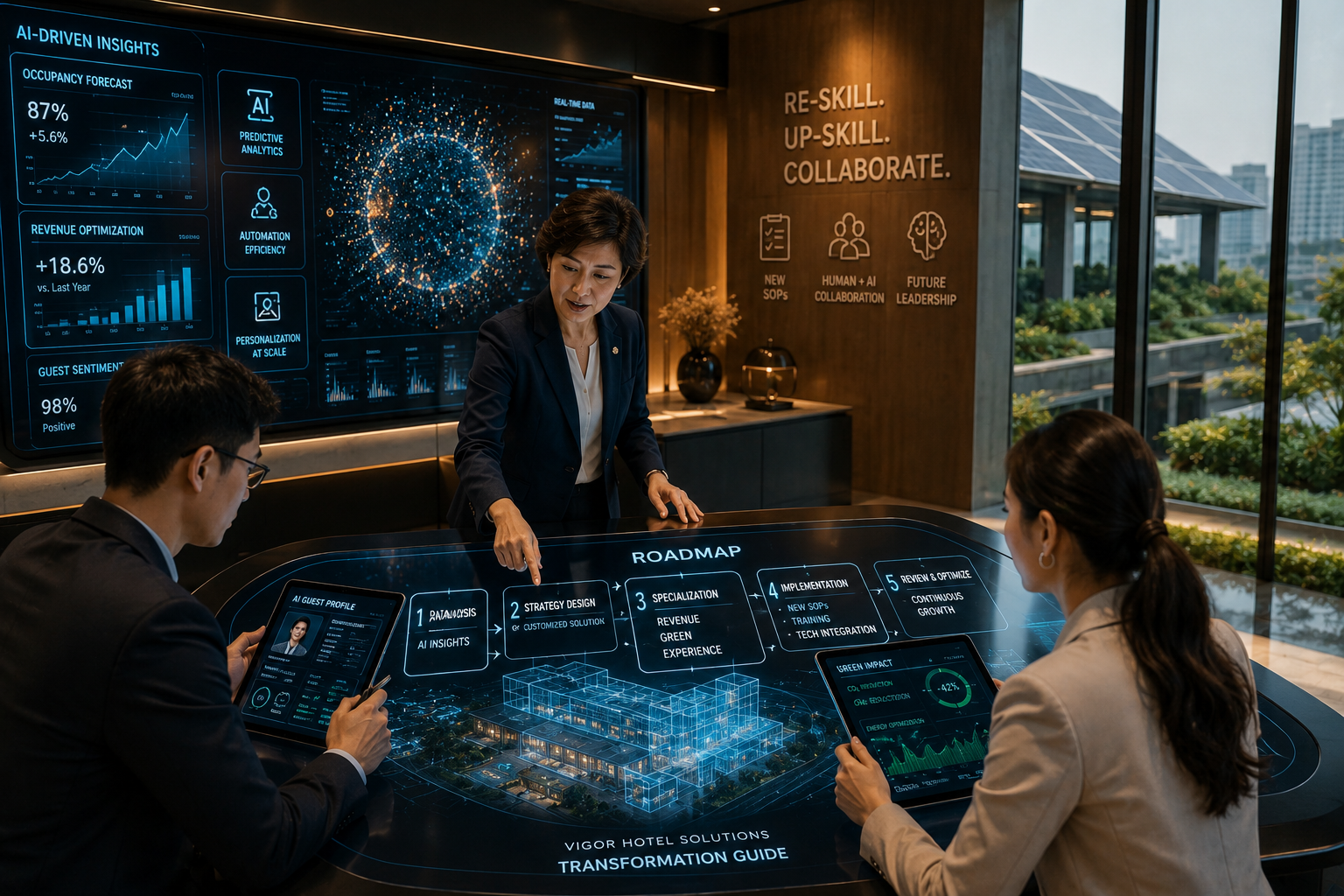
AI is already enhancing efficiency and guest satisfaction across the sector, without fully supplanting the human element. Key applications include:
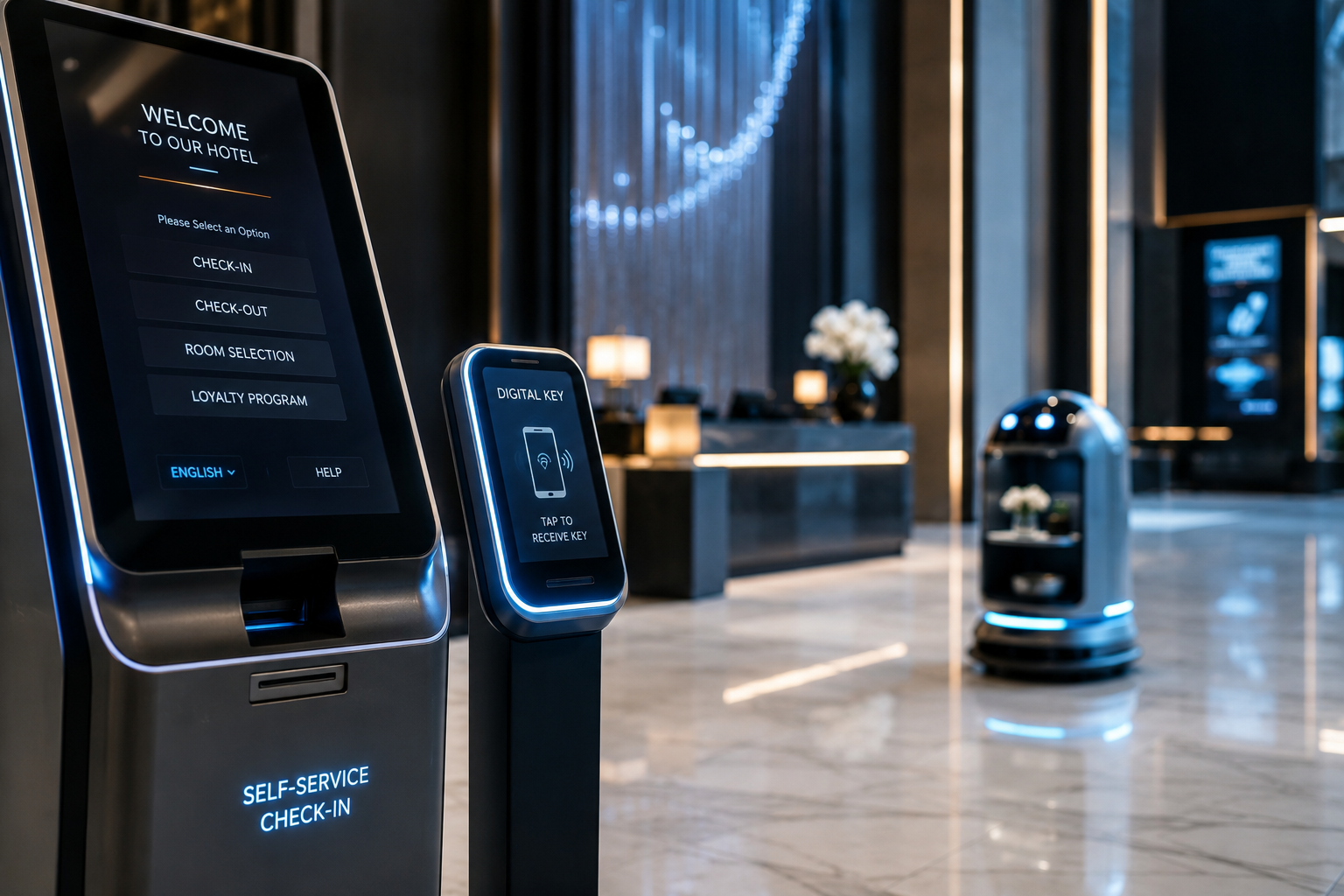
- Automated Guest Services: Chatbots and voice assistants handle routine inquiries—from bookings to menu recommendations—freeing front-desk and concierge staff from repetitive tasks. Studies show that AI can manage over 75% of simple customer queries, allowing humans to focus on complex interactions.
- Operational Optimization: Predictive analytics forecast demand, streamline inventory in F&B kitchens, and enable dynamic pricing, which has been linked to revenue increases of 5-10% and higher occupancy rates.
- Hyper-Personalization: By analyzing guest data, AI tailors experiences, such as customized room amenities or dining suggestions, boosting satisfaction and loyalty.
While concerns about displacement are valid—particularly for routine roles like housekeeping, check-in processes, and basic food preparation—evidence suggests AI drives role evolution rather than elimination. For instance, labor efficiency has improved significantly in 2025, with hours per occupied room dropping 9% in many U.S. hotels amid rising wages. Critically, roles requiring empathy, creativity, and nuanced problem-solving—such as resolving guest complaints, building relationships, or crafting innovative menus—remain irreplaceable. Industry reports emphasize that AI augments rather than replaces, with 86% of employers expecting transformation by 2030, yet preserving the “human touch” as hospitality’s core.
Clear Recommendations for Adaptation
To thrive alongside AI, proactive steps are essential:
- For Hotel and F&B Employees:
- Cultivate irreplaceable soft skills: Prioritize empathy, emotional intelligence, and creative problem-solving through targeted training—these are areas where AI falls short.
- Embrace AI literacy: Learn to collaborate with tools like analytics platforms or chatbots, transitioning to higher-value roles in personalization or guest relations.
- Pursue upskilling: Shift toward strategic positions, such as revenue management or experiential design, where human insight complements AI data.
- For Hotel Owners and Managers:
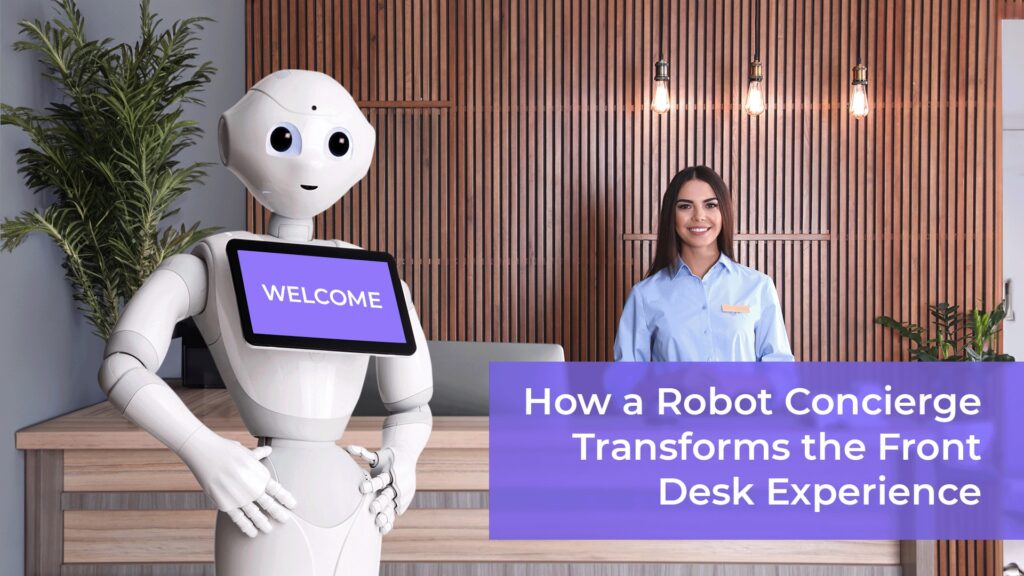
- Deploy AI strategically: Use it for routine tasks to empower staff for meaningful guest interactions, as seen in hybrid models where robots handle delivery but humans provide personalized follow-up.
- Invest in workforce development: Implement reskilling programs to reposition employees in AI-supported roles, addressing skills shortages that hinder broader adoption.
- Foster a human-AI synergy culture: Emphasize ethical integration, transparency in data use, and training to alleviate job security fears, ensuring technology enhances rather than erodes service quality.
Conclusion
AI will not spell the definitive end for hotel workers; instead, it heralds a renaissance for the industry. By automating the mundane, it elevates the profoundly human aspects of hospitality—connection, warmth, and unforgettable experiences—that no algorithm can replicate. As the sector continues its robust growth in 2025 and beyond, those who adapt by blending technological prowess with innate human strengths will not only survive but flourish. The future of hotels and F&B lies in harmonious collaboration: AI as the enabler, and people as the heart.