By Charles Tan
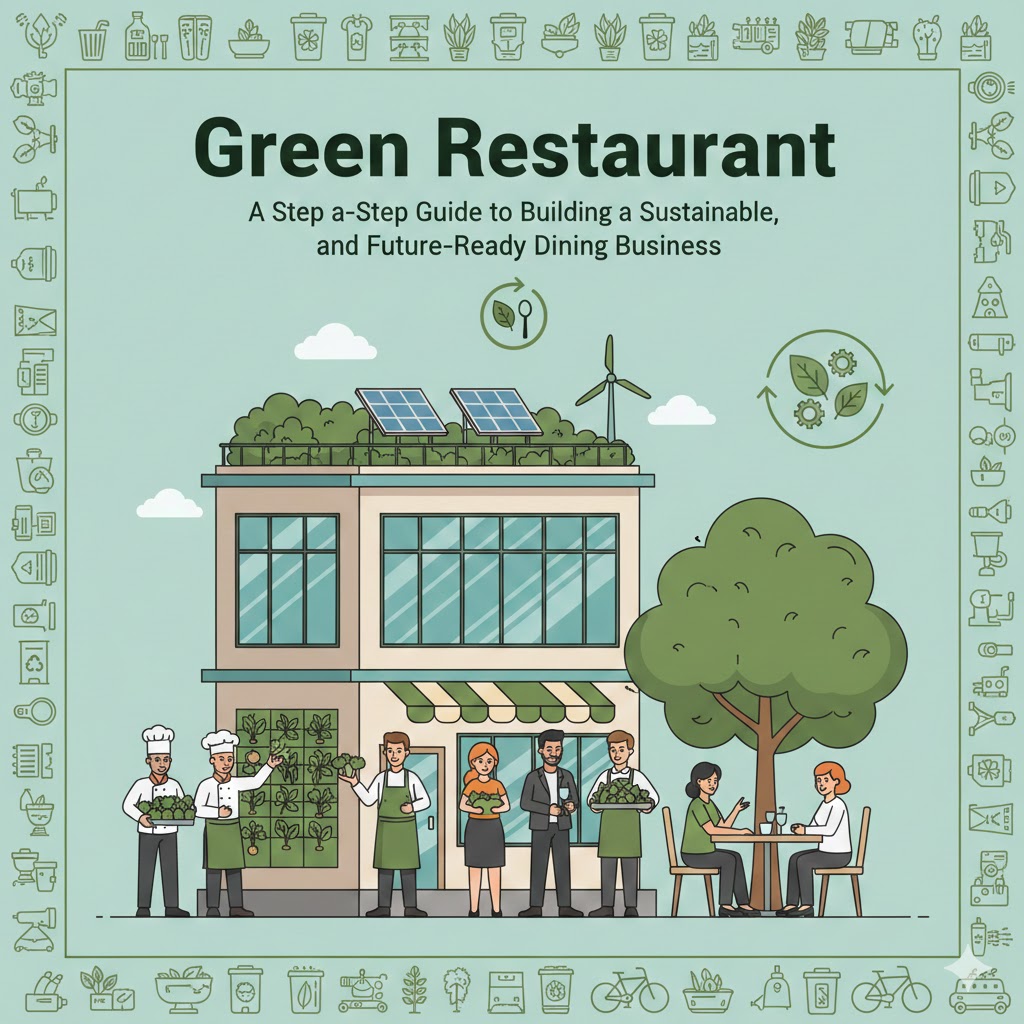
A Green Restaurant is no longer just a trend — it is a strategic evolution. Modern diners expect healthier choices, responsible sourcing, and businesses that genuinely care about the planet. For restaurant owners, going green is not simply a moral choice but a smart business investment, reducing long-term costs, improving operational efficiency, and strengthening brand trust.
This guide offers a clear, step-by-step roadmap designed for real-world application in restaurants of any size, from small cafés to full-service establishments.
- Establishing Your Baseline (1–2 Weeks)
Before making any improvements, you must understand your current performance.
Audit Focus Areas
- Monthly electricity consumption (12-month history)
- Water usage
- Total waste (general, organic, recyclable — measured by kg/month)
- Food waste (value + weight)
- Disposable packaging usage
- Procurement sources and delivery distances
- Kitchen workflow, prep procedures, storage and rotation patterns
📌 Outcome: A clear Baseline Report showing where you stand and where to improve.
- Setting Your Green Policy & Clear Targets (1 Week)
Create SMART goals that guide your transformation.
Example Targets (12 Months)
- Reduce energy consumption by 15%
- Reduce plastic and foam packaging by 90%
- Cut food waste by 30%
- Source 25% of ingredients from local producers
- Implement full waste segregation in kitchen & guest areas
A written policy should be shared with all staff and suppliers.
- Quick Wins (0–30 Days): High Impact, Low Cost
Momentum matters. Start with changes that deliver fast results.
Quick Improvements
- Replace key lighting with LED
- Install timers and reminders for cooking equipment
- Eliminate foam & single-use plastics (switch to compostable packaging)
- Implement basic food waste tracking
- Introduce proper waste segregation bins
- Improve portion control and standardize recipes
These actions build staff confidence and show customers genuine commitment.
- Sustainable Procurement & Kitchen Operations (1–3 Months)
Procurement Strategy
- Prioritize local suppliers to reduce transport footprint
- Choose recyclable or biodegradable packaging
- Order based on accurate par levels to avoid overstocking
- Use a POS/Inventory system to forecast purchasing needs
Kitchen Optimization
- Strict FIFO method for storage
- Reuse trim waste for stocks, sauces, or staff meals
- Redesign menu workflows to reduce prep complexity and waste
Efficient kitchens are greener kitchens.
- Energy & Water Efficiency (1–6 Months)
Energy-Saving Methods
- Motion sensors in storage and back-of-house
- Energy-efficient appliances (Energy Star or equivalent)
- Scheduled maintenance of refrigerators and AC units
- Proper insulation and sealing
Water Management
- Low-flow faucets and sprayers
- Regular leak inspections
- Dishwashing SOPs that minimize running water
These upgrades reduce costs significantly over time.
- Waste Management & Food Waste Reduction (1–6 Months)
Key Practices
- Separate waste into organic, recyclable, and general
- Track kitchen trim waste daily
- Partner with farms/local groups for composting
- Donate safe surplus food to NGOs or food banks
- Reduce disposable items used for takeout
Food waste is one of the biggest hidden costs — reducing it boosts your bottom line.
- Green Menu Engineering (1–3 Months)
Menu Strategy
- Highlight high-margin, low-waste dishes
- Promote seasonal and locally sourced ingredients
- Offer vegetarian/plant-forward dishes (high demand, low cost)
- Repurpose ingredients across multiple dishes
- Add symbols for “Green Choice” items to guide guest selection
Good menu design improves profit, reduces waste, and enhances brand appeal.
- Training, Culture, and Team Engagement (Ongoing)
A Green Restaurant succeeds only when the team is aligned.
Training Topics
- Energy & waste awareness
- Proper storage and labeling
- Portion control & recipe compliance
- How to communicate sustainable choices to guests
Make green practices part of daily habits, not one-time instructions.
- KPIs & Performance Tracking (Weekly/Monthly)
Recommended KPIs
- kWh electricity/month
- Water usage (m³/month)
- Total food waste (kg + % of purchase)
- Percentage of local sourcing
- Disposable packaging reduction
- Customer satisfaction regarding green efforts
Use dashboards or monthly summary reports to monitor progress.
- Certification & Marketing (3–12 Months)
Potential Certifications
- Thailand Green Restaurant
- ISO 14001 (environmental management)
- Local sustainability recognitions
Marketing Approaches
- Storytelling: your ingredients, suppliers, community partnerships
- Green labels on menus and digital platforms
- Weekly “Green Day” promotions
- Behind-the-scenes video content
Transparency creates trust — and trust drives loyalty.
12-Month Roadmap (Suggested)
Months 0–1: Audit, policy creation, quick wins
Months 2–3: Adjust purchasing, kitchen improvements, full training
Months 4–6: Energy & water upgrades, waste program
Months 7–9: Community partnerships, advanced reporting
Months 10–12: Certification, full marketing launch, annual review
Quick Start Checklist
- Gather energy/water bills for the past year
- Assign a Green Team leader
- Replace 25% of lights with LED
- Implement waste segregation today
- Launch 2–3 Green Menu items
- Write a one-page Green Policy
Final Thoughts
A Green Restaurant is not built overnight — it evolves through consistent improvement. But every step delivers value: lower costs, stronger branding, healthier workplaces, and happier guests.
With the right structure, training, and monitoring, sustainability becomes a competitive advantage, not a burden.