By Vigor Hotel Solutions
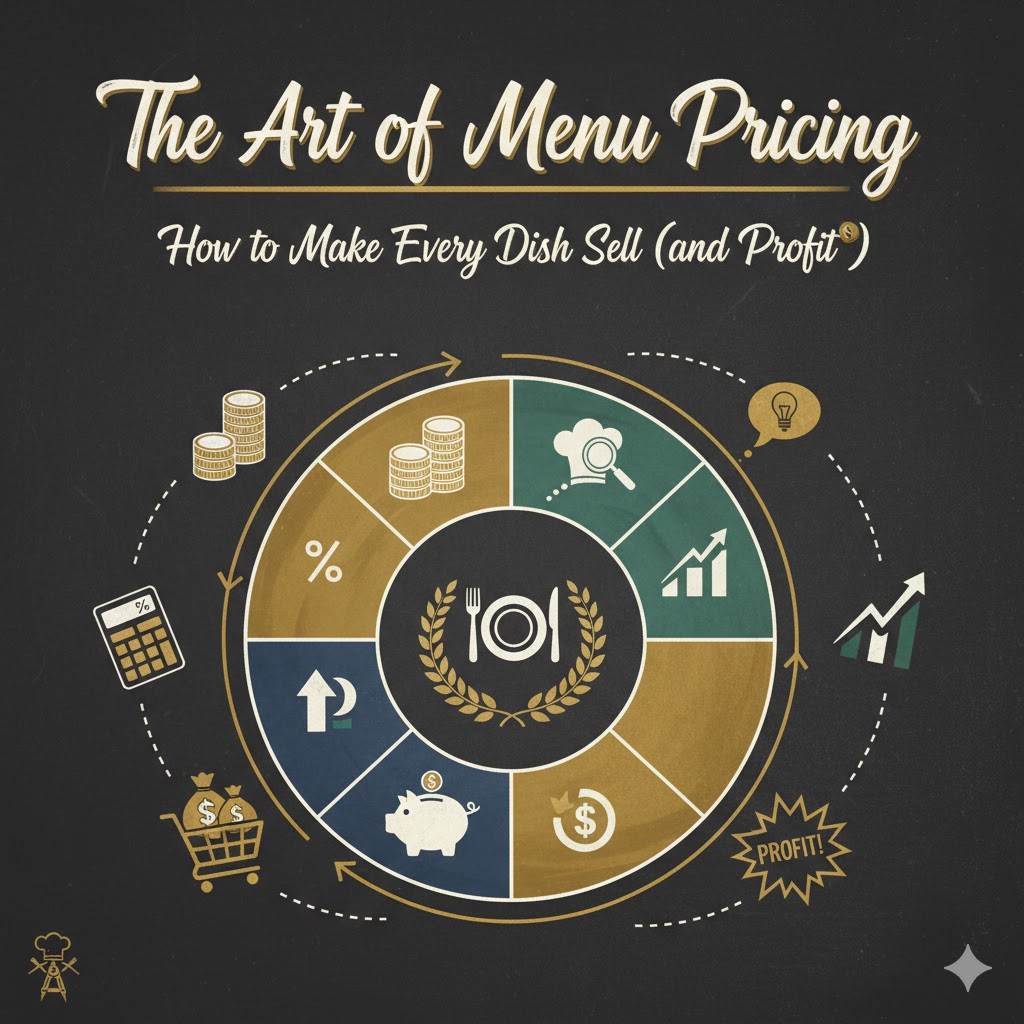
In today’s highly competitive restaurant scene, menu pricing is no longer about adding a simple profit margin. It’s a strategy — a psychological and marketing tool that shapes how customers perceive value and decide what to order.
Let’s explore how smart pricing can make your restaurant more appealing, profitable, and memorable.
- Start with Cost Awareness
Before setting any price, you must know your food cost percentage.
Most restaurants aim for 30–35% of the selling price to cover ingredients, labor, and overhead.
For example:
- Food cost = ฿45
- Target food cost 30% → Selling price = ฿150
This ensures you maintain healthy margins while staying competitive.
- Use Tiered Pricing (Step Pricing)
Give customers a choice ladder — the freedom to upgrade and spend more without feeling pressured.
Example:
|
Menu Item |
Selling Price |
Food Cost |
Gross Profit |
|
Roasted Pork with Rice |
฿75 |
฿25 |
฿50 |
|
+ Crispy Pork Combo |
฿95 |
฿30 |
฿65 |
|
+ Duck + Boiled Egg |
฿120 |
฿40 |
฿80 |
💡 Customers feel they’re getting better value at each level, while your average check size increases naturally.
- Apply Pricing Psychology
Small differences can make a big impact:
- Charm pricing: Use ฿99 instead of ฿100 — it feels cheaper.
- Anchoring effect: Add a premium dish to make other prices look more reasonable.
- Highlight best sellers: Use icons or borders around profitable items to guide customer choices.
- Build Value Perception, Not Discounts
Instead of lowering prices, create bundles or add-ons that increase perceived value.
Example:
Set Menu: Rice + Soup + Drink = +Value, +Margin
People are more willing to pay when they feel they’re getting something extra, not when they’re told it’s cheaper.
- Tell the Story Behind the Price
A well-told story can justify a higher price.
If your seafood is locally sourced or your coffee beans are hand-roasted — say it.
Customers don’t just buy food; they buy the story and experience behind it.
- Review and Adjust Regularly
Menu pricing isn’t a one-time task. Review sales reports every quarter:
- Which dishes sell most?
- Which generate the highest margin?
- Which items might need a reprice or removal?
Data-driven adjustments ensure your prices stay relevant and profitable.
💡 Final Thought
Customers don’t always buy the cheapest dish —
they buy what feels worth paying for.
Pricing, when done with insight and creativity, turns your menu into both a sales tool and a storytelling platform.
By Charles Tan
Restaurant & Hotel Consultant – VIGOR Hotel Solutions