Introduction
Standard Operating Procedures (SOPs) are often seen as the backbone of hotel and restaurant operations. They define consistency, quality, and efficiency across every department — from housekeeping and F&B to front office and maintenance.
Yet, despite their importance, many SOPs fail in practice. They are either ignored, outdated, or misunderstood. Why does this happen — and more importantly, how can we fix it?
1. The Common Reasons SOPs Fail
a. Written Only for Audits, Not for Action
Many SOPs are created just to satisfy brand audits or certifications. They look impressive in a binder but have little relevance to day-to-day work. Staff rarely open them because they don’t feel connected to their actual duties.
b. Too Complicated to Follow
An SOP filled with technical jargon and long paragraphs becomes a burden rather than a guide. Employees need quick reference, not theory. When SOPs are not user-friendly, they are ignored.
c. Lack of Training and Reinforcement
Even the best SOPs will fail if employees are never trained on them. Without consistent coaching, the knowledge remains on paper — not in practice.
d. No Regular Updates
Hotels evolve — new technology, guest expectations, or management changes occur. SOPs that haven’t been revised for years no longer reflect the real workflow.
e. Management Disconnect
In some cases, leaders themselves do not follow the SOPs. When managers bypass procedures for convenience, it sends a signal that rules are optional.
2. How to Make SOPs Work for You
a. Write SOPs for the People Who Use Them
Each SOP should be practical, visual, and written in a way that matches the daily flow of operations. Use flowcharts, icons, or step-by-step checklists.
For example:
· “Step 1: Greet guest within 5 seconds.”
· “Step 2: Confirm reservation details politely.”
Clarity builds confidence — and confidence builds consistency.
b. Link SOPs to Training and Evaluation
Training should always begin and end with SOPs. Managers can use them during orientation, refreshers, and performance appraisals.
An SOP becomes alive when it’s part of the employee’s growth, not just paperwork.
c. Review and Update Quarterly
Assign a responsible department head to review each SOP every quarter. Check if procedures still apply and if new technology or service models require revision.
When staff see updates, they feel the SOP is relevant — not forgotten.
d. Lead by Example
Managers must be role models in following SOPs. The message is simple: “If the leader follows it, everyone will.”
Consistency from the top ensures alignment throughout the organization.
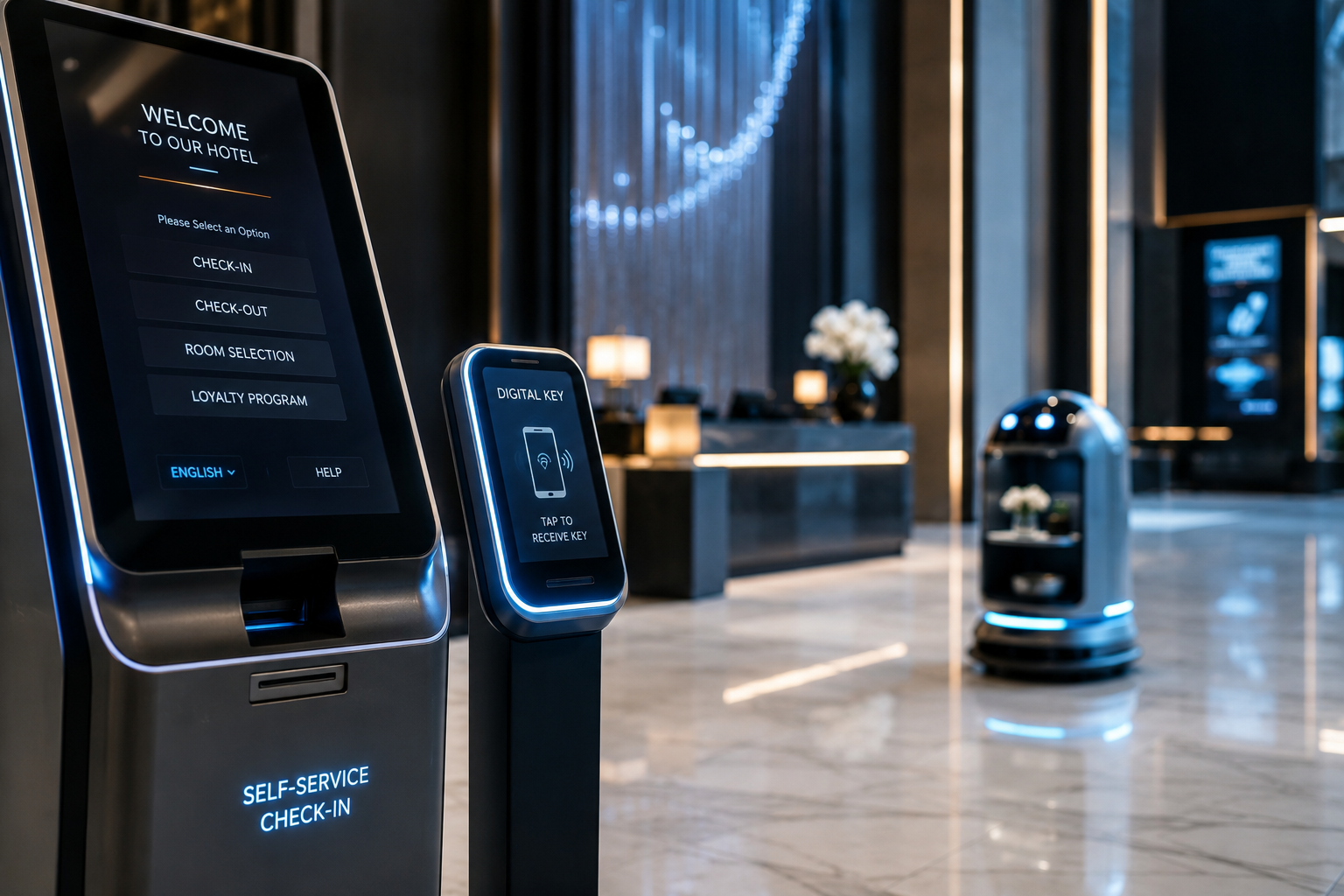
e. Digitize Your SOPs
Transform paper-based SOPs into mobile-friendly or cloud-based systems.
· Use QR codes in staff areas linking to training videos or quick guides.
· Integrate SOPs into daily briefings or property management systems (PMS).
This makes access easy and interactive, reducing the “paper fatigue” that often kills engagement.
3. The True Value of Effective SOPs
When SOPs work, they do more than standardize — they elevate.
· Service becomes predictable and reliable.
· Guests feel the same warmth and professionalism every time.
· Staff turnover decreases because new hires adapt faster.
· Cost control improves because errors are reduced.
In short, SOPs build a “culture of excellence.”
Conclusion
SOPs fail not because they are unnecessary — but because they are misunderstood. They should not be static manuals but living systems that evolve with your business and your people.
When hotels and restaurants turn SOPs into tools for empowerment rather than enforcement, the results speak for themselves: smoother operations, happier staff, and guests who return again and again.
By Charles Tan
VIGOR Hotel Solutions – Precision with Soul
Helping hotels and restaurants achieve operational excellence through practical systems, strong leadership, and human-centered strategy.