By Charles Tan – VIGOR Hotel Solutions | Precision with Soul
Introduction
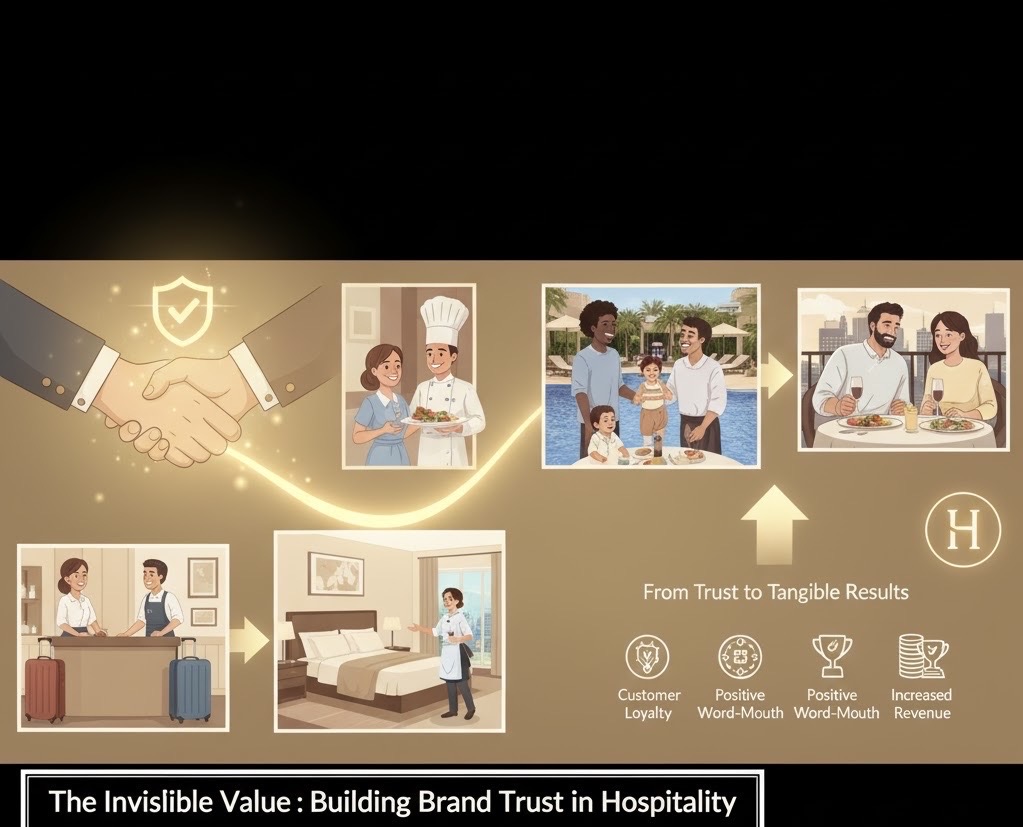
In hospitality, trust is an invisible yet priceless asset. It cannot be bought or fabricated — it must be earned through consistency, transparency, and care. While promotions, décor, and technology attract attention, it’s trust that keeps guests returning, forgiving, and recommending. This article explains why trust matters more than satisfaction, where it comes from, and how hotels and restaurants can systematically build and sustain it.
1. Why Trust Matters More Than Satisfaction
· Satisfaction is a momentary feeling after one stay or meal.
· Trust is an emotional bond built from repeated positive experiences.
· Satisfied guests may switch easily; trusting guests stay loyal and spend more.
· In today’s review-driven world, trust reduces marketing costs, stabilizes revenue, and protects reputation.
2. Where Trust Comes From
1. Consistency – Deliver the same level of service every time.
2. Transparency – Be honest about prices, conditions, and expectations.
3. Competence – Operations must run smoothly and professionally.
4. Care & Empathy – Genuine attention to guests’ needs and feelings.
5. Reputation & Social Proof – Reviews and word-of-mouth from credible sources.
6. Leadership & Values – Authentic leaders who live the brand’s core values.
3. What Destroys Trust
· Overpromising in advertising and underdelivering in reality.
· Ignoring or poorly handling negative reviews.
· Inconsistent operations: dirty rooms, slow check-ins, poor communication.
· Hidden fees or unclear cancellation policies.
Once lost, trust takes much longer — and far greater cost — to rebuild than to maintain.
4. How to Build Trust Systematically
A. Define Your Brand Promise
· Clearly state what your brand stands for: “Comfort with soul,” “Clean, local, authentic.”
· Translate this promise into daily measurable standards (SOPs) — response times, cleanliness, accuracy.
B. Make Consistency a KPI
· Track metrics like check-in time, cleanliness audit, and response speed.
· Department heads must review consistency reports daily or weekly.
C. Practice Transparent Communication
· Ensure pricing and policies are visible on all channels.
· Avoid small print or hidden charges — guests remember fairness more than discounts.
D. Build and Leverage Social Proof
· Encourage authentic guest reviews.
· Respond to all reviews — both positive and negative — with gratitude and clarity.
· Use testimonials and media coverage to reinforce credibility.
E. Train Staff to Demonstrate Care
· Empathy and recovery skills should be part of daily operations training.
· Empower staff to make small recovery gestures: complimentary drink, late checkout, or room upgrade.
F. Use Data Wisely
· Personalize experiences through CRM: remember guest preferences, allergies, or special dates.
· Never misuse data — privacy is part of trust.
G. Have a Recovery Playbook
· Acknowledge → Apologize → Act → Follow Up.
· Make recovery immediate and sincere, not scripted.
5. Communication that Builds Trust
Externally: Be honest in your website, ads, and social media. Never claim what you cannot deliver.
Internally: Ensure all employees know the brand promise and how their actions impact trust.
6. Key Metrics to Measure Trust
· Net Promoter Score (NPS) – Likelihood of recommendation.
· Repeat Guest Ratio – Percentage of returning customers.
· Online Review Score – Average ratings and response times.
· Complaint Resolution Time – Average time to close guest issues.
· Service Consistency Score – Internal audit results and quality checks.
7. Case Study: Turning Complaints into Loyalty
A mid-sized resort struggled with poor reviews about slow check-in and unready rooms.
Actions Taken:
1. Revised check-in and housekeeping SOPs.
2. Introduced daily team briefing and “room readiness” tracking.
3. Created a Guest Recovery Kit (welcome drink + dinner voucher).
4. Responded to every review personally, explaining improvements made.
Results: Within three months, review scores rose by 0.6 points and repeat guests increased by 8%.
The message is clear — structured care rebuilds trust faster than any promotion.
8. Common Pitfalls
· Overpromising: Always understate, then overdeliver.
· Inconsistent Recovery: Staff must follow one clear recovery framework.
· Data Misuse: Mishandling guest data destroys credibility instantly.
9. 90-Day Action Plan to Build Brand Trust
Days 1–14: Audit all guest touchpoints — booking, pre-arrival, stay, post-stay. Identify top 3 problem areas.
Days 15–45: Fix key pain points (check-in delay, housekeeping lag, review response).
Days 46–75: Train staff, introduce personalization and feedback systems.
Days 76–90: Measure results, communicate improvements publicly, and celebrate small wins.
Final Thoughts
Trust is not a campaign — it’s a culture.
Hotels that focus on consistency, transparency, and genuine care will always outperform those chasing short-term sales. In a world of price wars and instant reviews, trust remains the strongest currency in hospitality.
A brand that guests trust doesn’t need to shout — its reputation speaks for itself.