Introduction
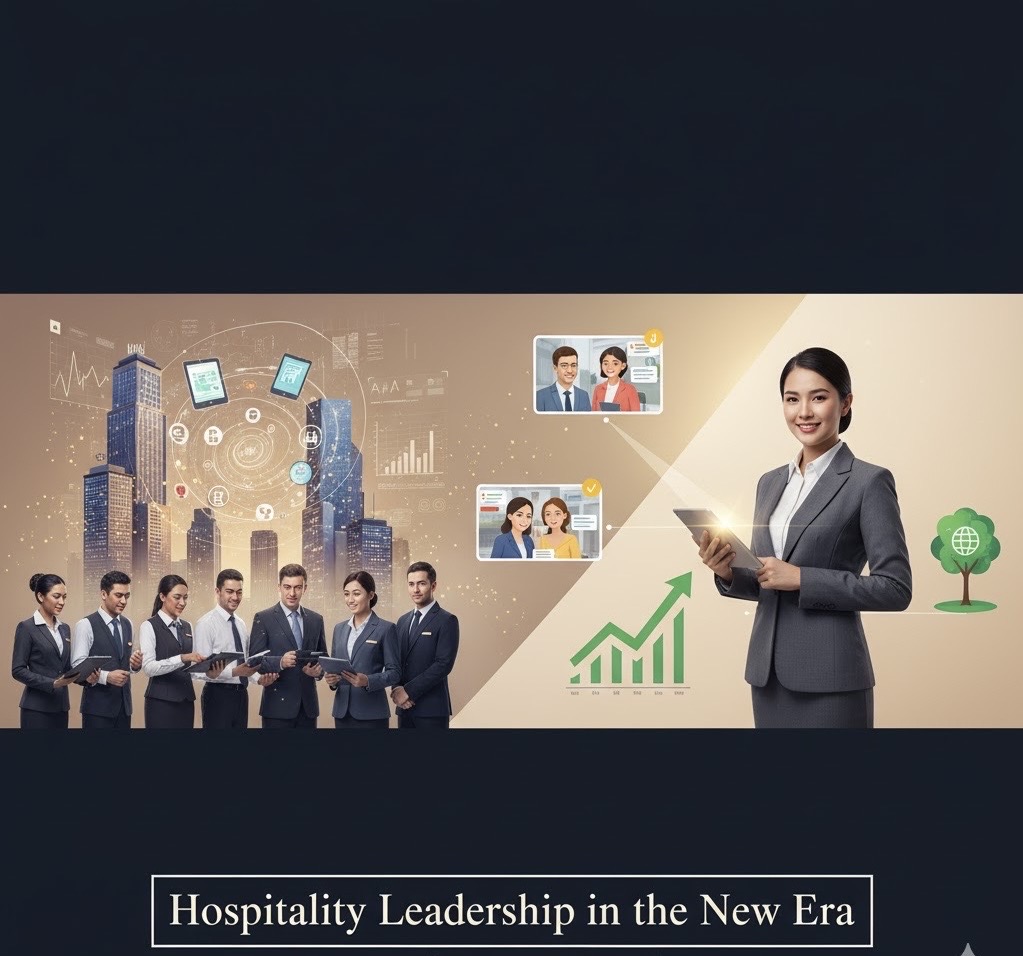
The hospitality industry is evolving rapidly. Guests now expect more than comfortable rooms and good food—they want memorable experiences, seamless technology integration, and personalized service. In this new era, effective leadership is no longer just about managing operations; it’s about inspiring teams, leveraging technology, and driving strategic growth.
This article explores the principles of modern hospitality leadership and practical strategies to thrive in today’s competitive market.
1. Shift from Traditional Management to Inspirational Leadership
· Traditional Management: Focused on tasks, compliance, and immediate problem-solving.
· Inspirational Leadership: Encourages innovation, motivates staff, and aligns teams with the organization’s vision.
Tip: Leaders should mentor and coach staff, fostering a culture of accountability and creativity.
2. Embrace Technology as a Leadership Tool
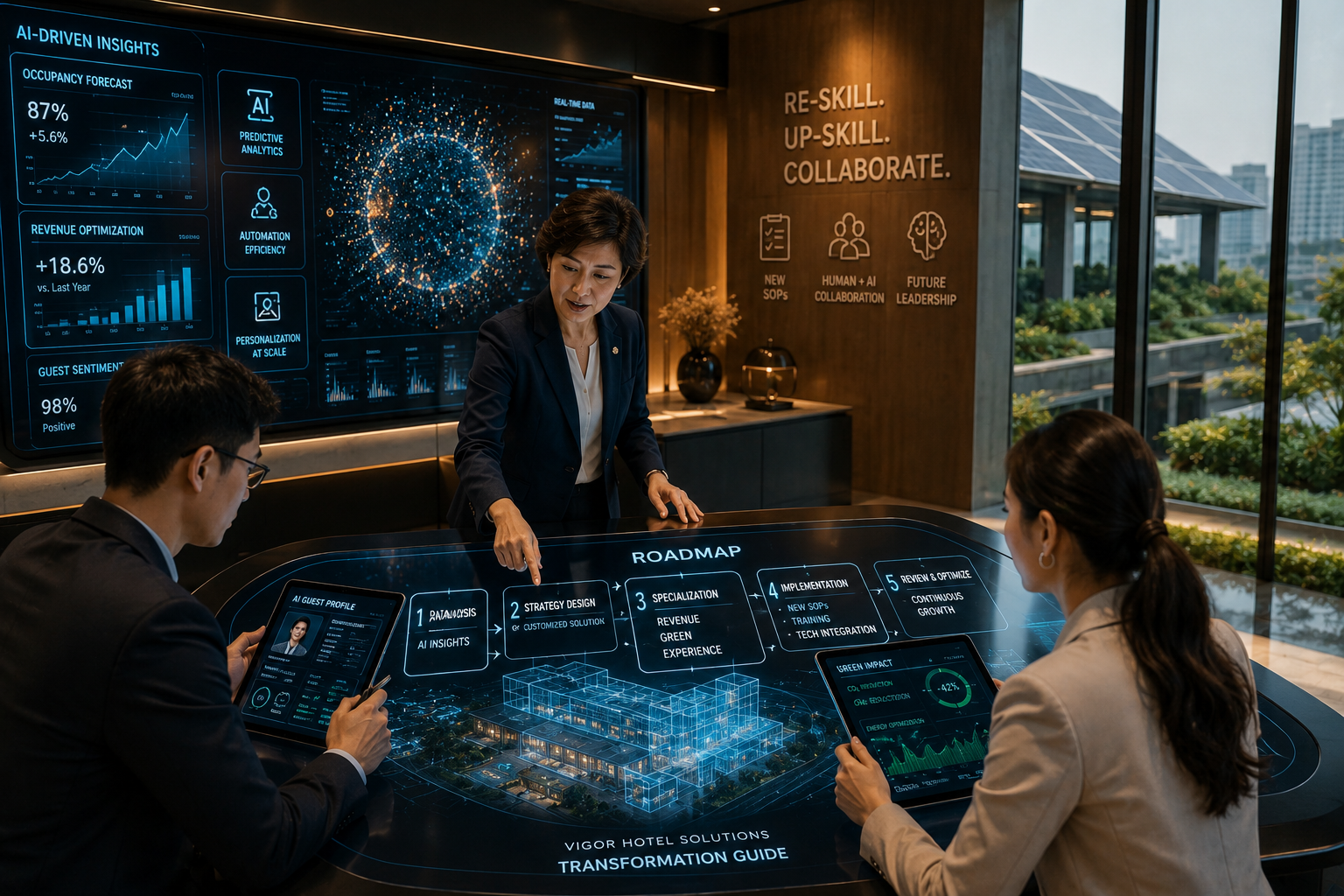
· Data-Driven Decisions: Use PMS, POS, CRM, and analytics dashboards to make informed operational and marketing decisions.
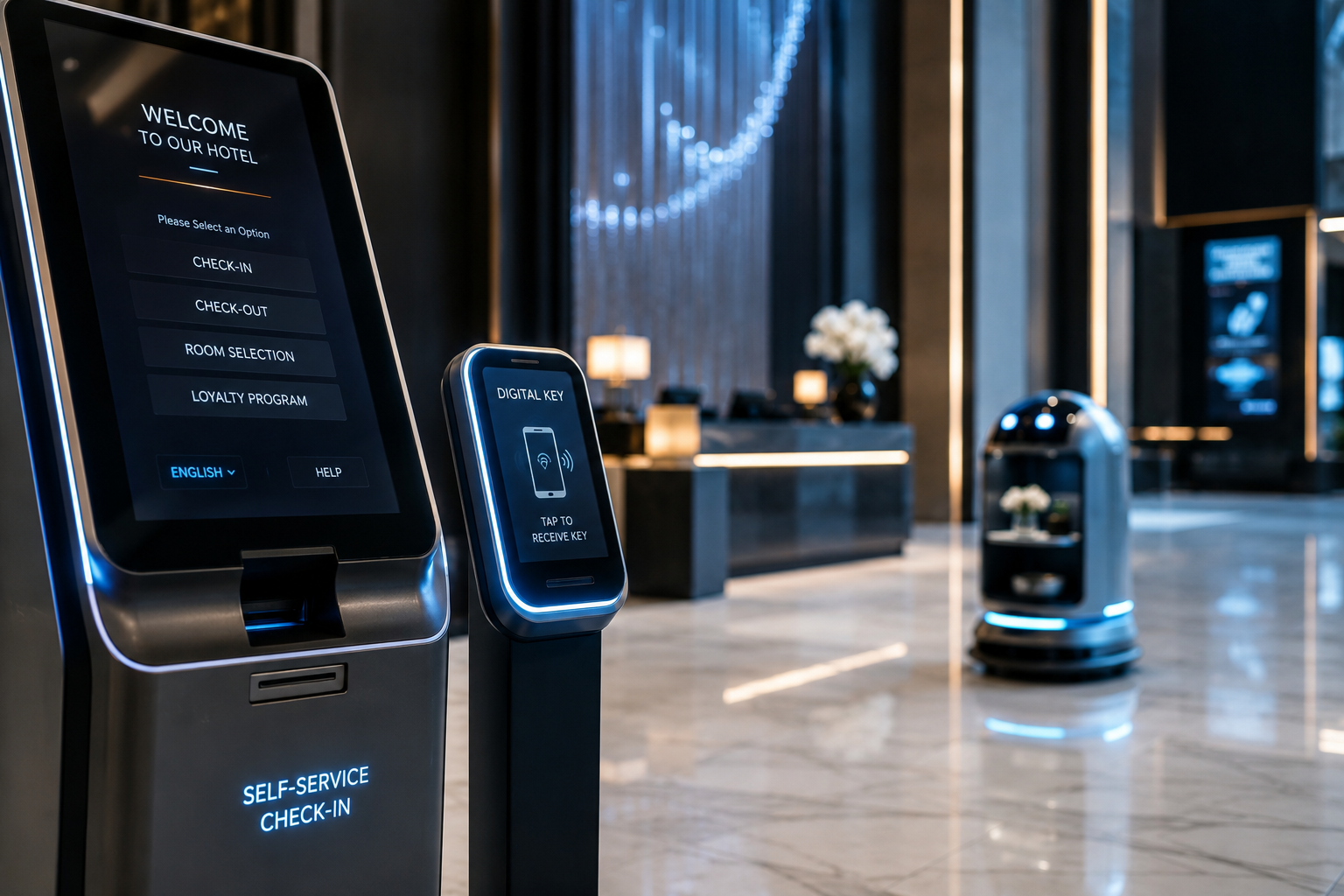
· Automation: Streamline routine tasks like check-in/out, inventory tracking, and payroll to allow leaders to focus on strategic priorities.
· AI & Personalization: Enhance guest experiences with AI-driven recommendations and personalized services.
3. Prioritize Employee Engagement and Development
· Training & Upskilling: Offer continuous learning opportunities, from service excellence to leadership programs.
· Recognition & Incentives: Acknowledge achievements and reward high performance to retain top talent.
· Wellbeing & Work-Life Balance: Modern leaders must care for the physical and mental health of their teams.
Example: Hotels with engaged employees see higher guest satisfaction and lower turnover.
4. Foster a Guest-Centric Culture
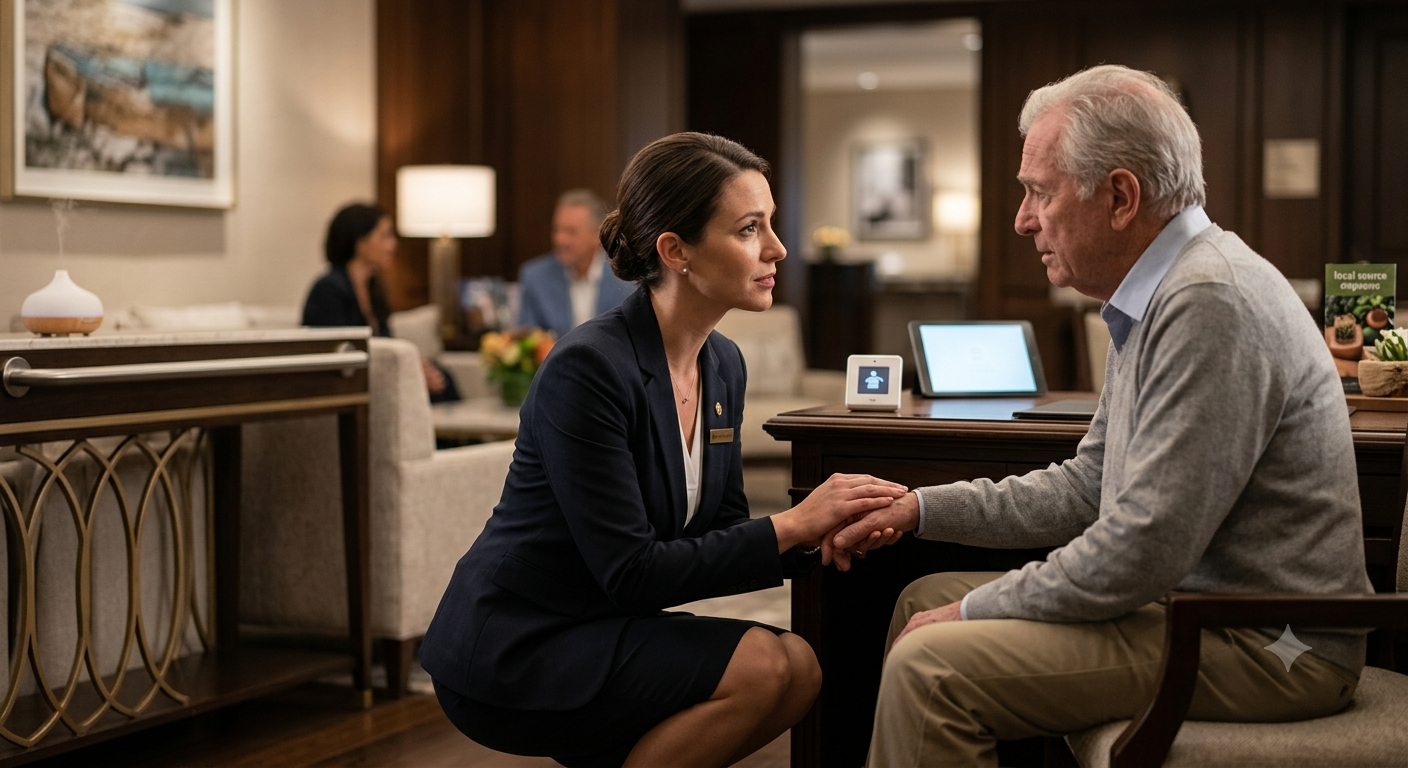
· Empower Staff: Allow employees to solve guest issues proactively.
· Collect Feedback: Use surveys, reviews, and direct communication to understand guest expectations.
· Innovate Experiences: Design services that delight guests and create memorable moments.
5. Strategic Financial & Operational Leadership
· Revenue Management: Balance occupancy, pricing, and distribution to optimize profitability.
· Cost Control: Monitor food, labor, and operational costs without compromising quality.
· Sustainability: Implement eco-friendly initiatives to appeal to conscious travelers and reduce long-term costs.
6. Adaptability and Resilience
· Market Volatility: Be ready to pivot in response to changing travel trends, economic shifts, or crises like pandemics.
· Problem-Solving Mindset: Encourage teams to identify solutions rather than focus solely on problems.
· Continuous Improvement: Review operations regularly and implement lessons learned for better efficiency.
7. Lead with Vision and Purpose
· Define Core Values: Establish principles that guide decision-making and behavior.
· Communicate Clearly: Ensure every team member understands the mission, vision, and goals.
· Inspire Loyalty: Employees and guests are more likely to stay with brands that demonstrate authentic leadership and purpose.
Conclusion
Hospitality leadership in the new era is dynamic, technology-driven, and human-centered. Leaders must balance operational efficiency with emotional intelligence, strategic thinking with adaptability, and profitability with guest satisfaction. Those who master this balance will create not only successful hotels and restaurants but also resilient, motivated teams and unforgettable guest experiences.
By Charles Tan
VIGOR Hotel Solutions – Precision with Soul