By Charles tan
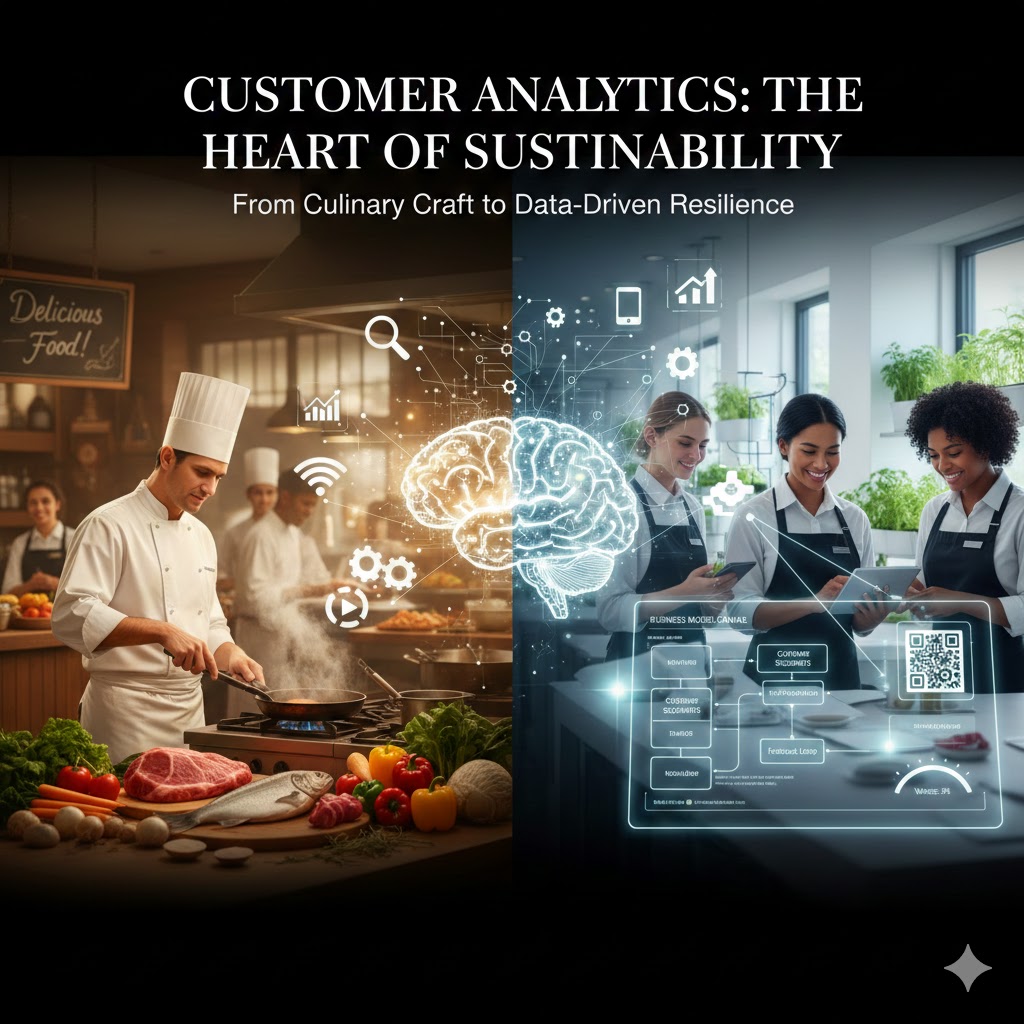
Reflecting on 40 years in this industry, I have witnessed a profound evolution. We have moved from an era where “good food alone was enough” to a modern landscape where “Data is the lifeline.” In the eyes of a professional, Customer Analysis is no longer just about identifying who walks through the door; it is about deeply understanding their behaviors and expectations to build a system that endures.
- A Systems Perspective on Customer Analysis (Beyond Demographics)
In a “systems view,” we must treat the customer as a critical input into our operational engine. Choosing the wrong target segment will inevitably cause the internal system to malfunction and eventually collapse. Modern analysis must dive into three vital dimensions:
- Occasion-Based (The “Why” of the Moment): The same individual can exhibit vastly different behaviors depending on the occasion—seeking efficiency during a weekday lunch, but craving an experience during a weekend dinner.
- Psychographics (The “Mindset”): What are their core values? Are they health-conscious, social media-driven, or advocates for Sustainability as discussed in the Vigor perspective?
- Willingness to Pay (The “Value” Perception): This isn’t just about their bank balance; it’s about what specific value they are willing to invest in.
Jobs-to-be-Done Theory: What are they “hiring” your restaurant to do?
- Functional Job: To satisfy hunger and recharge energy.
- Social Job: To provide a prestigious setting for business or a romantic impression for a date.
- Emotional Job: To serve as a self-reward after a long, exhausting day (“Treat Yourself”).
- Filtering for “The Right Fit” (The Vigor Perspective)
True sustainability stems from choosing customers that your system is designed to serve excellently. If your model is built for speed (Fast Casual) but your guests want to linger for three hours (Slow Dining), the system loses efficiency, the staff burns out, and profitability vanishes.
Strategic Analytical Framework
|
The Question (Who/When/Why) |
Analytical Focus |
Strategic Outcome |
|
Who & Needs? |
Customer profile and their specific “Pain Points.” |
Designing Key Activities to solve problems precisely. |
|
When & Where? |
Specific meal periods, Weekdays vs. Festivals, and Tech Savviness. |
Optimizing labor allocation and Key Resources (POS/Apps). |
|
Why & Buying Power? |
Motivations and average “Ticket Size.” |
Crafting the Value Proposition and Revenue Streams. |
|
Loyalty Drivers? |
What triggers a repeat visit? (Frequency). |
Building strong Customer Relationships to lower acquisition costs. |
- Practical Application: Business Model Canvas (Premium Casual Restaurant)
To illustrate, here is a business model where every gear is aligned with the chosen customer segment:
- Customer Segments: Focusing on Quality Seekers (ingredient-focused), Experience-Driven Foodies (brand advocates), and Local Residents (the stabilizing revenue force).
- Value Proposition: Anchored in Consistent Excellence (100% reliability) and transparent sourcing.
- Customer Relationships: Implementing a Recognition Program for personalization and a Feedback Loop for real-time improvement.
- Channels: Prioritizing Direct Booking to manage “Load Balance” and prevent system overstretch.
- Key Activities & Resources: Focusing on Rigorous Quality Control, continuous staff training, and Standard Operating Procedures (SOPs) to ensure the system thrives independently of any single individual.
- Revenue & Cost: Diversifying through Premium Take-home sets and maintaining a sustainable cost structure through Waste Management (targeting under 3-5%).
Conclusion: “The Customer is not a Guest, but a Partner in your System”
Accurate customer analysis leads to sustainability in two distinct ways:
- When you get it right: Staff work more fluidly, costs decrease, and profit becomes a natural, sustainable byproduct.
- When you get it wrong: You exhaust your resources serving the “wrong” people, and the system eventually fractures.
“True sustainability lies in the courage to decline the wrong customers to preserve the standards for those who truly belong. A resilient restaurant isn’t the one with the most customers on Day 1; it’s the one where the right customers are still walking through the door on Day 1,000.”