
Title: The Blueprint for Success: Crafting a Strategic Marketing Plan and Mastering Modern SOPs
By Charles Tan
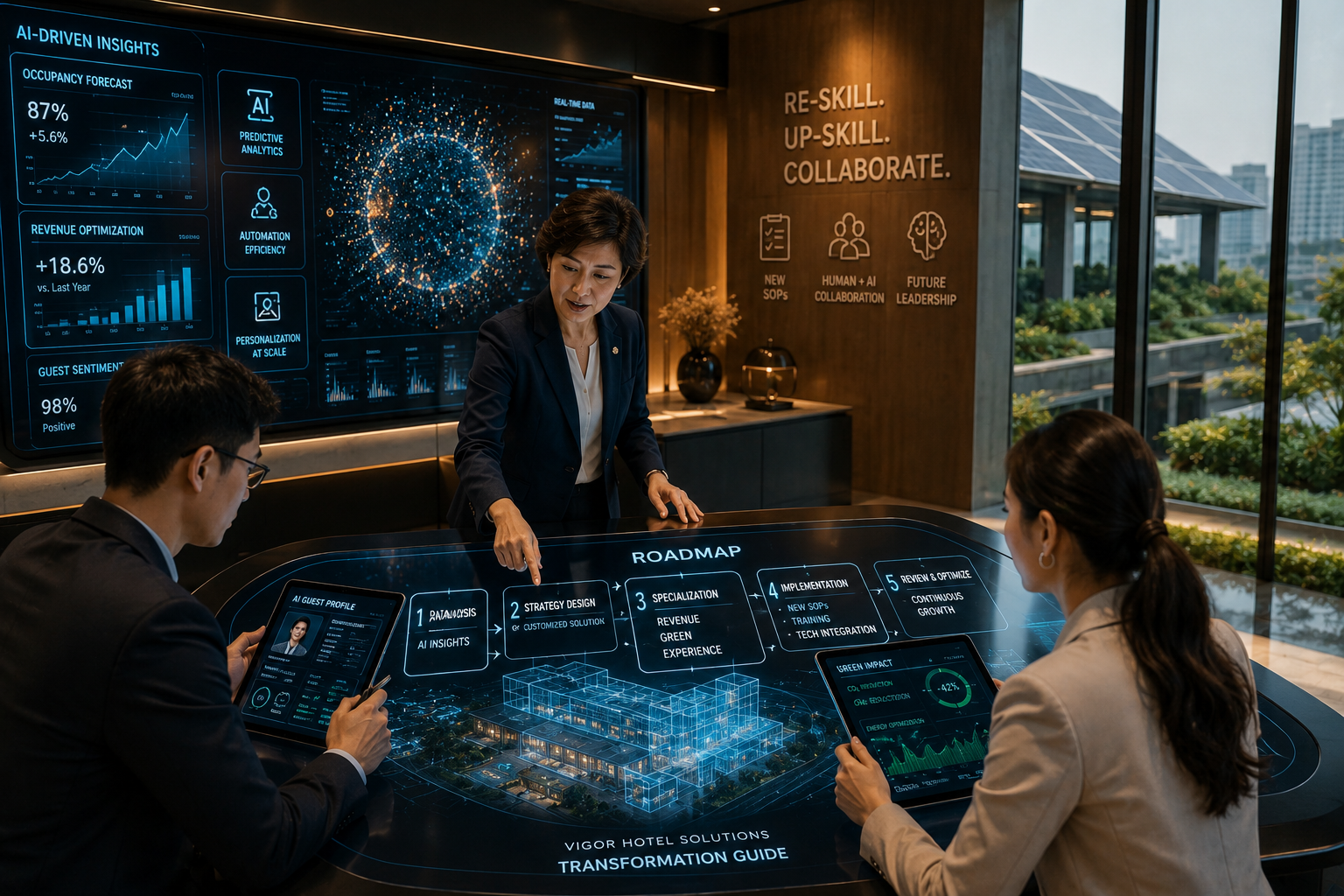
To bridge the gap between “Vision” and “Reality,” a hotel must possess a structured roadmap. In this final chapter, we translate our marketing concepts into a tangible Strategic Marketing Plan—the executive’s “North Star” for driving profitability and operational consistency.
The Anatomy of a High-Performance Marketing Plan
A professional marketing plan is more than just a document; it is a live strategy. Below is the essential structure used by top-tier hospitality groups:
- Executive Summary: The “Elevator Pitch”
- The Essence: A one-page distillation of the entire plan for owners and stakeholders.
- Key Focus: Define your financial targets (e.g., GOP, ADR, and Occupancy goals), your Unique Selling Proposition (USP), and the primary strategic shift for the year.
- Current Market Situation: The Environmental Scan
- The Essence: Understanding the “playing field.”
- Analysis: Reviewing tourism data, macroeconomic trends (e.g., currency fluctuations), and evolving traveler behaviors (e.g., the rise of the “Bleisure” traveler).
- SWOT Analysis: Internal & External Audit
- Strengths: Brand heritage, prime location, or a celebrity chef.
- Weaknesses: Aging infrastructure or high staff turnover.
- Opportunities: New flight routes to the local airport or upcoming city-wide festivals.
- Threats: New market entrants (competitors) or rising utility costs.
- Competitor Analysis: The Comp-Set Review
- The Essence: Identifying your “Competitive Set” (3–5 hotels with similar pricing and location).
- Action: Conduct a “Gap Analysis”—where do they beat us on reviews, and where do we have the upper hand in value?
- Targeting & Positioning: Defining Your Territory
- Targeting: Moving away from “Everyone” to “Someone.” (e.g., focusing on High-Net-Worth Millennials or MICE corporate groups).
- Positioning: Crafting the narrative. Are you the “Sustainable Sanctuary” or the “Urban Tech Hub”?
- Marketing Objectives & Strategies (SMART Goals)
- Example Objective: “Increase Direct Website Bookings by 25% within Q4 to reduce OTA commission costs.”
- The Strategy: Implement a Dynamic Pricing model and launch a “Book Direct & Save” loyalty campaign.
- The Action Plan: The Tactical Calendar
- The Essence: Who does what, and when?
- Action: A 12-month calendar detailing seasonal promotions (e.g., “Songkran Splash Package” or “Festive Early Bird”).
- The Marketing Budget: Resource Allocation
- The Essence: Ensuring every dollar spent yields a Return on Investment (ROI).
- Allocation: Dividing funds between Digital Ads (Meta/Google), Content Production, and PR events.
Modernizing Standard Operating Procedures (SOPs)
A plan is only as good as its execution. Your SOPs must evolve alongside the era:
- Traditional SOPs: Focused on “The Basics”—cleanliness, punctuality, and basic etiquette.
- Growth Era SOPs: Focused on “Standardization”—using Property Management Systems (PMS) and ensuring every guest receives an identical experience.
- Digital 5.0 SOPs: Focused on “Agility & Personalization.”
- Online Reputation SOP: Responding to all reviews within 12–24 hours with personalized (non-template) replies.
- Data-Driven SOP: Utilizing guest history to pre-set room temperatures or prepare a favorite beverage upon arrival.
- Social Engagement SOP: Empowering staff to capture “Insta-worthy” moments for guests to share online.
Leveraging Tourism Intelligence
In the modern age, we use Big Data to sharpen our edge. By analyzing tourism statistics and search trends, a hotel can:
- Forecast Demand: Know exactly which nationality is searching for your destination 3 months in advance.
- Optimize Revenue: Adjust rates in real-time based on local supply and demand fluctuations.
- Hyper-Target Ads: Show your “Family Suite” ads only to users who have recently searched for “Family vacations in Thailand.”
Expert Summary for EP 3
The transition from a “Modern” to an “Ultra-Modern” hotel lies in the ability to turn Data into Strategy and Strategy into Action. A well-documented plan, supported by agile SOPs, ensures that the “Thai Hospitality” we are famous for is delivered with world-class precision and profitability.