By Charles tan
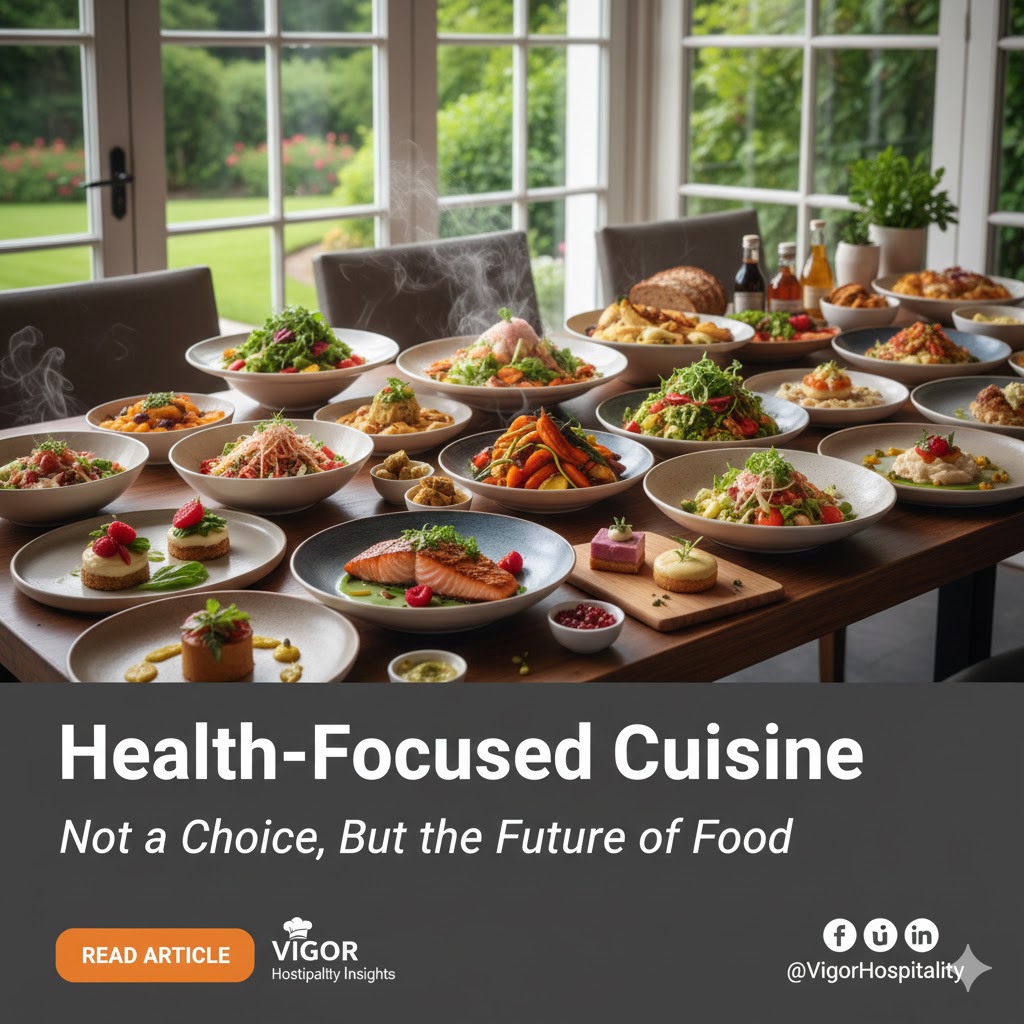
Over five decades witnessing the evolution of food culture, I can say with conviction: **this health food movement is fundamentally different from any that came before.** This is not a passing trend but a structural shift—robustly and sustainably filling market gaps long overlooked.
## **What Are These “Gaps”?**
**1. The Trust Gap**
In an age demanding transparency, health-focused cuisine answers with “verifiable integrity”—from soil to plate.
**2. The Meaning Gap**
Modern diners seek more than sustenance; they seek food with purpose—nourishing body, spirit, and planet.
**3. The Innovation Gap**
Between fast food and fine dining lies space for “food that is both wholesome and accessible.”
## **Four Models Poised to Fill the Market Strongly**
### **1. Food as Medicine Restaurants**
Where Eastern and Western wellness philosophies converge.
– Menus co-designed with nutritionists
– Dishes tailored to constitutional types (Dosha, Yin-Yang)
– “Chef’s Prescription” offerings for specific health needs
### **2. Personalized Nutrition Hubs**
Individualized eating powered by technology.
– DNA-based meal planning
– Real-time nutritional tracking
– AI chefs crafting flavors to personal preference
### **3. Regenerative Dining**
Beyond sustainability—toward restoration.
– Menus sourced from regenerative farms
– Ingredients that enhance biodiversity
– Carbon-positive dining experiences
### **4. Mental Wellness Cuisine**
Mood-enhancing foods backed by science.
– Brain- and nerve-nourishing dishes
– Emotion-balancing menus informed by psychology
– Mindfully curated dining atmospheres
## **Three Success Formulas for Future Health-Focused Businesses**
### **1. The Science-Art Balance**
– **Science:** Research-backed, nutritionally precise
– **Art:** Cooking that preserves nutrients without sacrificing flavor
– **Example:** Traditional *nam prik* enhanced with superfoods, keeping its soul intact
### **2. The Accessibility Equation**
Health food must not remain a luxury.
– Fair pricing
– Convenient locations
– Freely shared knowledge
### **3. The Cultural Integration**
Wellness is not a Western concept.
– Reinterpret Thai culinary wisdom
– Elevate local herbs as superfoods
– Fuse Thai identity with modern science
## **Notable Case Studies: From Gap to Golden Opportunity**
**”Longevity Kitchen” in Bangkok’s Business District**
– Serves health-adjusted Thai food for professionals
– Pre-order system with nutritional analysis
– Partners with wellness clinics
– Result: 300% growth in regular customers within 6 months
**”Grandma’s Recipes” Reimagined**
– Reanalyzes heirloom Thai recipes
– Uses low-sodium seasonings and natural sweeteners
– Tells stories of Thailand’s culinary wisdom
– Now a destination for wellness-minded travelers
## **The Coming Future: Health Cuisine in 2030**
**1. Restaurants as Healthcare Partners**
Formal collaborations between kitchens and medical institutions.
**2. Hyper-Personalized Dining**
Meals adjusted using real-time health data.
**3. Zero-Waste Gourmet Health Food**
The new luxury: leaving nothing to waste.
**4. Intergenerational Health Dining**
Spaces designed for family wellness across ages.
## **Final Advice for Aspiring Culinary Entrepreneurs**
“Do not see health-focused cuisine as a ‘segment’ of the market.
See it as the **new common language** of food.
Delicious food in the future **must** be healthy food,
and healthy food **must** be delicious food.
The challenge is not making healthy food,
but making **health delicious**.
And that—that is the true gap waiting to be filled.”
**You stand at a historic turning point in the culinary world.**
**The opportunity lies not in following trends,**
**but in defining the future of Thai cuisine—**
**making it delicious, healthy, and a legacy for generations to come.**
*By a veteran who has witnessed Thai culinary evolution from the dawn of luxury hotels to the era of Michelin-starred street food.*