By Charles Tan
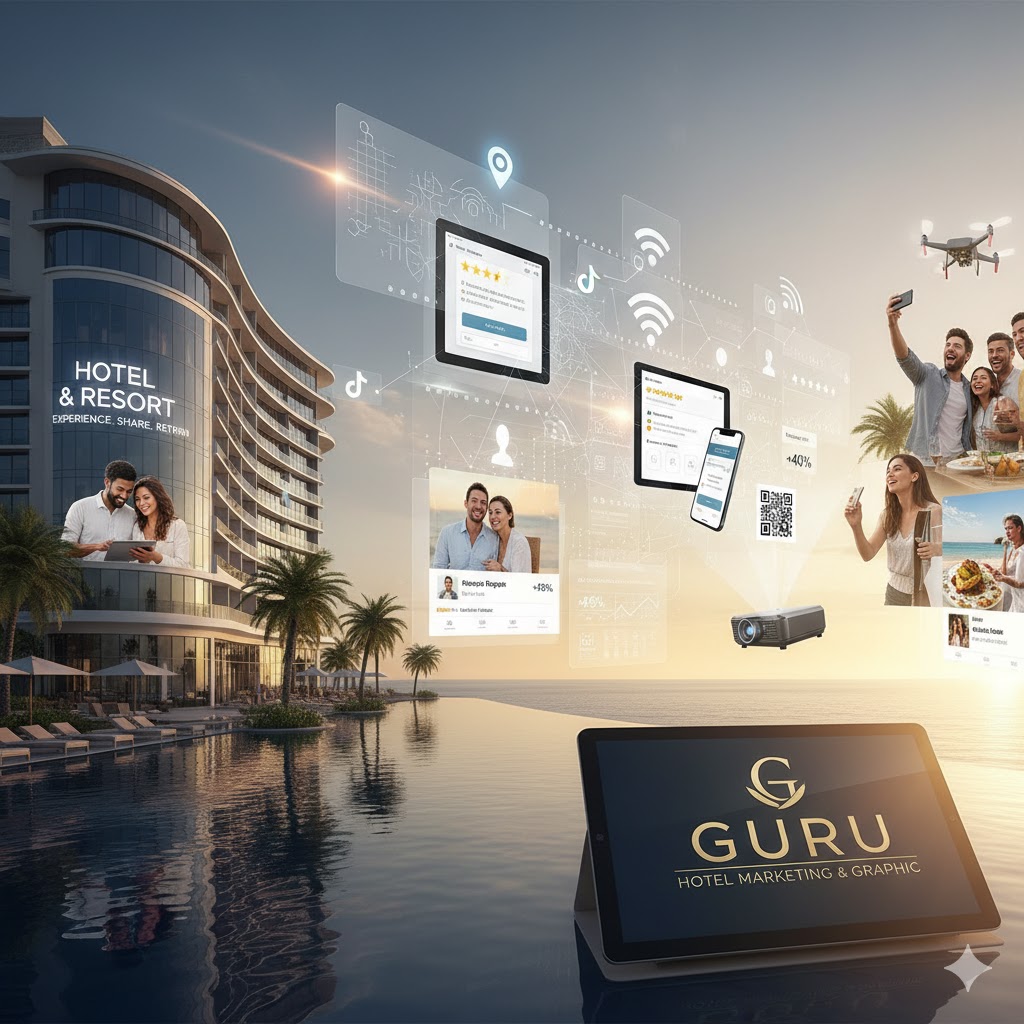
The hospitality industry has evolved significantly in the past decade. Travelers today are more informed, digitally connected, and expect personalized experiences. Traditional marketing approaches are no longer sufficient. Modern hotels and resorts must adopt strategic, multi-channel, and data-driven marketing to remain competitive and maximize revenue.
Here is a comprehensive approach to effective hotel and resort marketing:
- Define Your Brand and Positioning
- Brand Identity: Clearly articulate what makes your property unique – whether it’s location, service style, theme, or experience.
- Target Market: Segment guests by demographics, behavior, and needs – domestic vs. international, leisure vs. business, family vs. solo travelers.
- Unique Selling Proposition (USP): Highlight what differentiates your hotel from competitors. This will guide all marketing communications.
Tip: Avoid generic branding. Your USP should resonate emotionally with your ideal guests.
- Optimize Digital Presence
Website
- Mobile-friendly, fast-loading, and visually appealing.
- Clear navigation: booking engine, rooms & rates, activities, contact info.
- Integrate direct booking incentives to reduce reliance on OTAs (Online Travel Agencies).
Search Engine Optimization (SEO)
- Optimize your site for search engines with local keywords.
- Create engaging content: blog articles, travel guides, and local attractions.
- Use schema markup for events, rooms, and reviews to enhance search visibility.
Social Media
- Use platforms like Facebook, Instagram, and TikTok strategically.
- Share visual storytelling: property photos, behind-the-scenes, guest experiences.
- Run targeted ads to reach potential customers by location, interest, and behavior.
- Leverage Reviews and Reputation Management
- Encourage guest reviews on Google, TripAdvisor, and OTA platforms.
- Respond professionally to all reviews, both positive and negative.
- Highlight testimonials on your website and social media to build trust.
Tip: A hotel with consistently high ratings can justify higher rates and attract more direct bookings.
- Implement Data-Driven Marketing
- Track guest demographics, booking patterns, and preferences.
- Use PMS (Property Management System) and CRM (Customer Relationship Management) tools to segment guests and send personalized offers.
- Monitor KPIs like Occupancy Rate (OCC), Average Daily Rate (ADR), Revenue per Available Room (RevPAR), and Marketing ROI.
Example: Offer a special promotion to past guests who stayed during off-peak periods to encourage repeat visits.
- Multi-Channel Marketing Strategy
- Email Marketing: Send tailored promotions, seasonal offers, and loyalty rewards.
- Influencer & Content Marketing: Collaborate with travel bloggers or social media influencers to reach wider audiences.
- PR & Media: Share news about awards, events, or unique experiences.
- OTAs & Distribution Channels: Strategically use OTAs for exposure but encourage direct booking through exclusive offers.
- Personalization and Guest Experience
- Offer customized packages (family, romantic getaway, adventure, wellness).
- Collect guest preferences to tailor experiences – pillow types, dietary needs, or activity recommendations.
- Enhance the guest journey from pre-arrival to post-departure with digital communication and follow-ups.
Tip: A satisfied guest is more likely to share positive reviews and return.
- Seasonal and Event Marketing
- Develop campaigns around holidays, festivals, and local events.
- Create limited-time offers for shoulder and off-peak seasons.
- Collaborate with local attractions or cultural activities to increase appeal.
- Marketing Budget & ROI
- Allocate budget based on channels with the highest ROI.
- Typical breakdown:
- Digital Marketing (Social Media, Ads, SEO): 40–50%
- OTA Commissions: 20–30%
- PR & Offline Promotions: 10–20%
- Loyalty Programs & Direct Booking Incentives: 10%
- Continuously track ROI to adjust campaigns efficiently.
- Community Engagement & CSR
- Partner with local communities for authentic experiences: cooking classes, artisan workshops, cultural performances.
- Promote sustainable tourism and environmental initiatives.
- These efforts improve brand image and attract socially-conscious travelers.
- Continuous Monitoring & Innovation
- Regularly audit your marketing performance and guest feedback.
- Test new digital tools (chatbots, virtual tours, AI personalization).
- Adapt strategies quickly to market trends and competitor actions.
Conclusion
Modern hotel and resort marketing requires a holistic approach: clear branding, digital mastery, personalized experiences, and data-driven strategies. By aligning marketing with guest expectations and operational efficiency, properties can increase revenue, enhance reputation, and build loyal guests.
Remember: Marketing is not just promotion – it’s creating an experience that guests want to share, return to, and recommend.