EP1 — Overbooking During Peak Season: The Silent Time Bomb in Hotel Groups
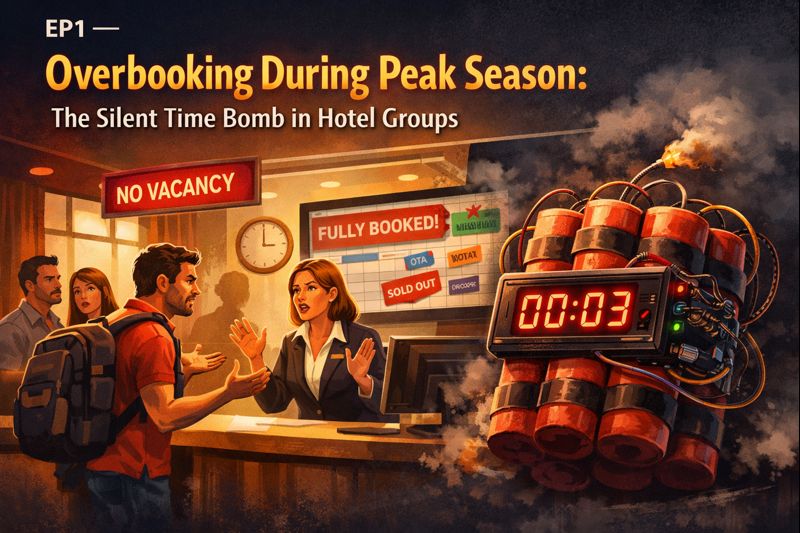
By Charles Tan Introduction Overbooking is the practice of selling more rooms than physically available.In controlled situations, limited overbooking can be part of revenue optimization to compensate for no-shows. However, during peak seasons, festivals, and long weekends, overbooking becomes a high-risk operational threat — particularly in hotel group environments. When unmanaged, it leads to guest […]
EP 10 — Professional Buffet Costing System

By Charles Tan Buffets appear simple — but are the most complex costing model in hospitality. Challenges include:• Variable guest consumption• Unpredictable waste• Refill frequency• Holding losses A professional buffet costing system requires:• Per-guest average consumption calculation• Batch cooking strategy• Refill timing control• Waste tracking When done correctly:Buffets become high-volume profit centers.When unmanaged:They become silent […]
EP 9 — Profit Drivers vs Traffic Drivers

By Charles Tan Not all menu items are created equal. Some dishes:• Attract guests• Create brand identity• Generate social media appeal Others:• Deliver high profit• Support operational stability A professional menu balances:Traffic Drivers (guest attraction)withProfit Drivers (financial sustainability) Understanding this distinction allows:• Smart menu engineering• Strategic pricing• Focused promotions Successful restaurants do not sell everything […]
EP 8 — Beverage Cost & Pricing Strategy

By Charles Tan Food may attract guests.But beverages generate margin. However, beverage cost control requires:• Standardized pouring methods• Proper glassware• Inventory control• Recipe-based cocktails Without structure:• Over-pouring occurs• Inventory mismatches appear• Margins disappear quietly When beverage cost is professionally managed, it becomes:A silent profit engine behind the dining experience.
EP 7 — Identifying Cost Leakage Points

By Charles Tan Most food cost problems are not caused by one big mistake.They are caused by many small leaks. Common leakage points include:• Over-ordering• Poor storage rotation• Unrecorded staff meals• Inaccurate receiving procedures• Uncontrolled complimentary dishes By mapping the kitchen flow from:Receiving → Storage → Preparation → Cooking → Service management can identify exactly […]
EP 6 — Monthly Food Cost Monitoring: Turning Numbers into Insight
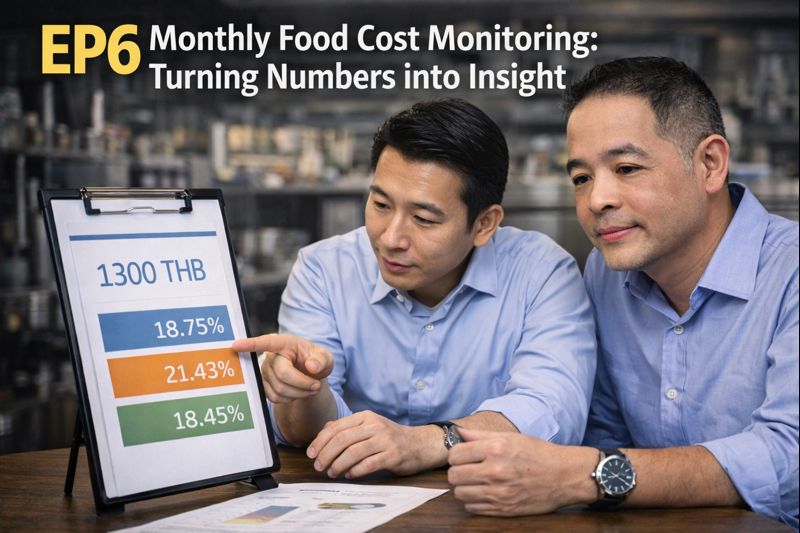
By Charles Tan Knowing theoretical cost is one achievement.Monitoring actual cost monthly is where professionals separate from amateurs. Monthly food cost tracking reveals:• Purchasing efficiency• Waste levels• Theft or mismanagement• Price fluctuations from suppliers This process compares:Theoretical Food Cost vs Actual Food Cost The gap between the two is where hidden leakage lives. At Vigor, […]
EP 5 — Portion Control: The Invisible Profit Protector
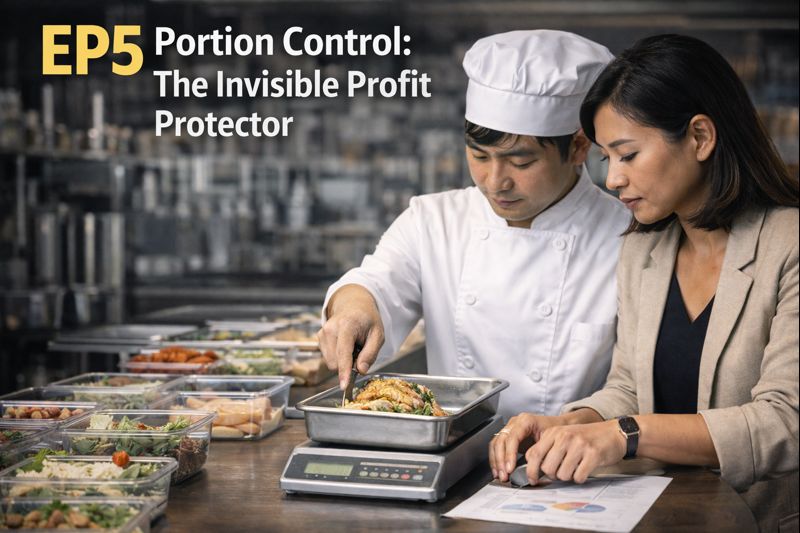
By Charles Tan Many restaurants calculate food cost correctly —but lose profit at the serving stage. A spoon slightly larger.A shrimp added “to be generous.”A sauce poured without measurement. Individually small.Collectively expensive. Portion control ensures:• Every guest receives the same value• Every dish delivers the same cost• Every month’s food cost remains predictable Tools such […]
EP 4 — Standard Recipe Cards: The DNA of Cost Control
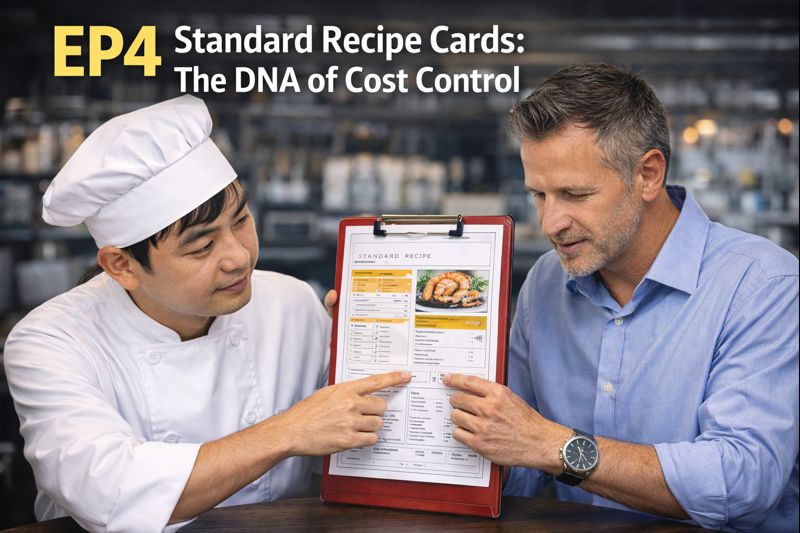
By Charles Tan After understanding true food cost and pricing logic, the next step is building a system that ensures consistency. That system is the Standard Recipe Card. Without standardized recipes:• Chefs rely on memory• Portion sizes vary• Ingredient quantities shift daily And when portions change — cost changes silently. A Standard Recipe Card defines:• […]
EP 3 — Pricing for Profit, Not for Popularity

By Charles Tan Once the real cost per dish is clear,the next question becomes inevitable: What should the selling price be? A globally accepted operational benchmark states: Food cost should remain between 30–35% of the selling price. Example:Cost per dish = 90 THBTarget food cost = 30% Selling price = Cost ÷ 0.3090 ÷ 0.30 […]
EP 2 — The True Cost of a Dish Is More Than Ingredients

By Charles Tan A common belief among restaurant operators is straightforward: Food cost equals ingredient purchase price. For example:Shrimp costs 400 THB per kilogram.A dish uses 200 grams.Cost = 80 THB. Partially correct — but not complete. In reality, the true cost of a dish consists of three essential layers. Usable Yield Cost Ingredients purchased […]