By Charles Tan
While the housekeeping department forms the heart of a hotel, the Front Office is undoubtedly its face, nerve center, and primary driver of revenue. This is where first impressions are forged, lasting relationships are built, and the entire guest experience is orchestrated. A flawless front office operation can elevate a good stay into an unforgettable one, while a single misstep can overshadow all other positives.
This article provides a comprehensive look into the multifaceted world of the Front Office, exploring its functions, roles, required skills, and evolving trends.
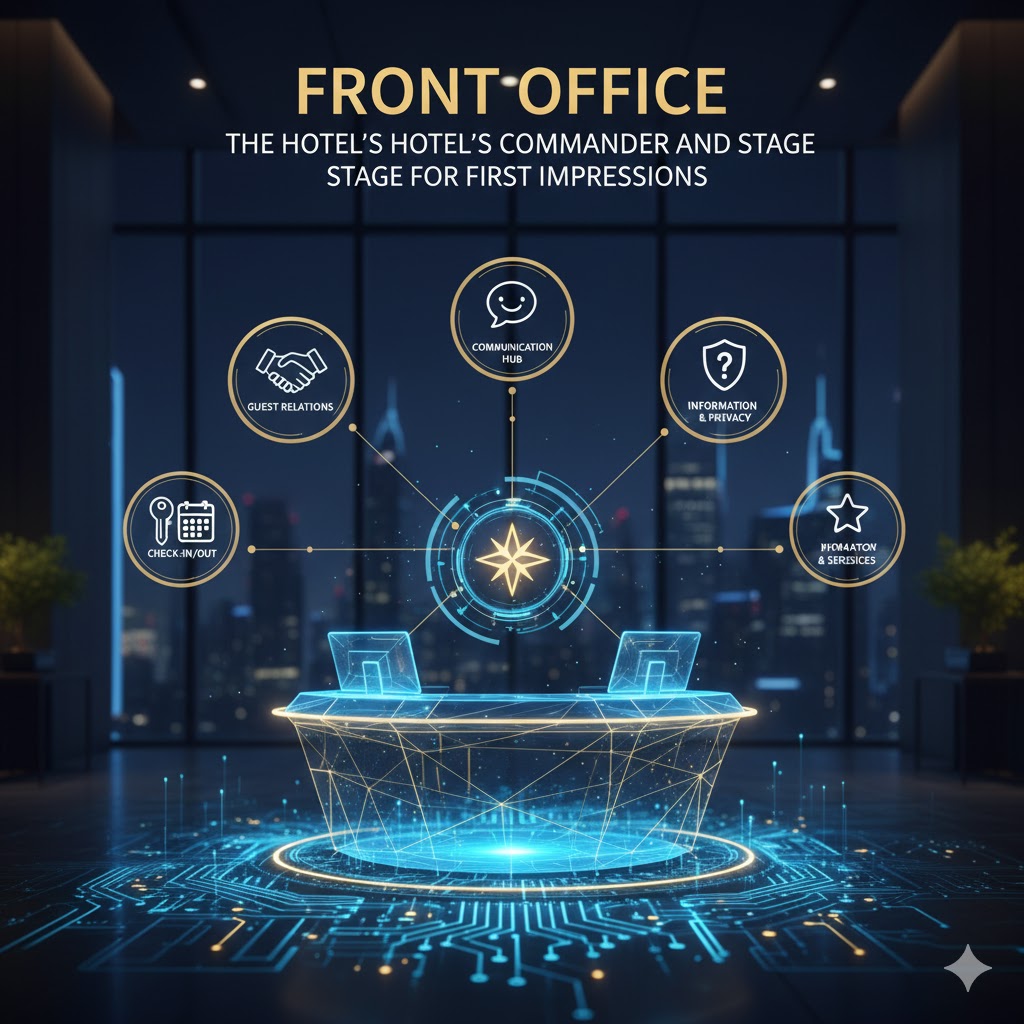
The Dual Role: Command Center and Service Stage
The Front Office performs two critical, simultaneous roles:
-
The Operational Command Center: It is the hub of information, coordinating between all other departments—housekeeping, food and beverage, maintenance, and sales. Every guest request, complaint, or inquiry funnels through here.
-
The Service Stage: It is the most frequent point of contact for guests. Every interaction, from check-in to check-out, is a performance that shapes the guest’s perception of the entire property.
Core Functions: A Cycle of Guest Service
The work of the Front Office follows the guest cycle: Pre-Arrival, Arrival, Occupancy, Departure, and Post-Departure.
1. Pre-Arrival & Reservation
-
Function: Managing bookings from various channels (direct website, Online Travel Agencies like Booking.com, phone, email).
-
Key Tasks: Creating and updating reservations, handling pre-payments, managing room inventory, and recording guest preferences (e.g., high floor, extra pillow). This is the stage where revenue management begins, with dynamic pricing strategies applied to maximize occupancy and profit.
2. Arrival & Check-In
-
Function: Welcoming the guest and formally initiating their stay.
-
Key Tasks:
-
The Warm Welcome: A genuine smile and eye contact are non-negotiable.
-
Efficient Process: Verifying identification, processing payment methods, and assigning a pre-prepared room.
-
Upselling: Skillfully offering room upgrades (e.g., “We can offer you a sea-view room for just a small upgrade fee today.”) or breakfast packages.
-
Providing Information: Briefly outlining hotel amenities (pool, gym, breakfast hours) and handing over the key. The goal is to be swift, seamless, and welcoming.
-
3. Occupancy & Concierge Services
-
Function: Serving as the guest’s primary resource throughout their stay.
-
Key Tasks:
-
Handling Inquiries: Answering questions about directions, local attractions, and restaurant recommendations.
-
Concierge Services: A specialized function within the front office that involves booking tickets, making restaurant reservations, arranging transportation, and fulfilling special requests (e.g., anniversary surprises).
-
Problem Resolution: Addressing and resolving guest complaints effectively and empathetically. Empowering front desk staff to solve issues on the spot is key to guest recovery.
-
Internal Communication: Informing housekeeping of a late check-out, notifying maintenance of a fault, or alerting F&B about a special dietary need.
-
4. Departure & Check-Out
-
Function: Concluding the stay on a high note and securing future business.
-
Key Tasks:
-
Accuracy: Presenting a clear and accurate folio (bill).
-
Efficiency: Processing the final payment quickly.
-
Feedback: Inquiring about the guest’s stay. A simple “How was everything?” can provide valuable insights.
-
Farewell: Thanking the guest and inviting them to return. The last impression is as crucial as the first.
-
5. Post-Departure & Follow-up
-
Function: Solidifying the relationship for future visits.
-
Key Tasks: Sending a post-stay thank-you or feedback email, addressing any issues raised in reviews, and updating the guest’s profile with preferences for their next visit.
Key Positions within the Front Office
-
Guest Service Agent (GSA) / Front Desk Agent: The frontline staff who handle check-in, check-out, and basic inquiries.
-
Concierge: The local expert who provides personalized service and fulfills special requests.
-
Bell Attendant / Porter: Responsible for greeting guests at the entrance, assisting with luggage, and showing them to their room.
-
Front Office Supervisor / Shift Leader: Oversees the daily operations of a shift, handles escalated guest issues, and supports the agents.
-
Front Office Manager: Manages the entire department, including budgeting, staffing, training, and setting service standards.
Essential Skills for Front Office Professionals
-
Exceptional Communication Skills: Clear, confident, and friendly verbal and written communication is paramount.
-
Empathy and Emotional Intelligence: The ability to understand and respond to a guest’s emotional state, especially when they are frustrated or tired.
-
Problem-Solving Under Pressure: Remaining calm and solution-oriented during check-in rushes or when dealing with a difficult situation.
-
Multitasking and Organizational Skills: Juggling phone calls, guests in line, and internal communications simultaneously.
-
Technical Proficiency: Mastery of the Property Management System (PMS)—the software that runs all hotel operations—is essential.
-
Local Knowledge: Being an ambassador for the city or region, with a wealth of recommendations for dining, culture, and entertainment.
The Future of the Front Office
-
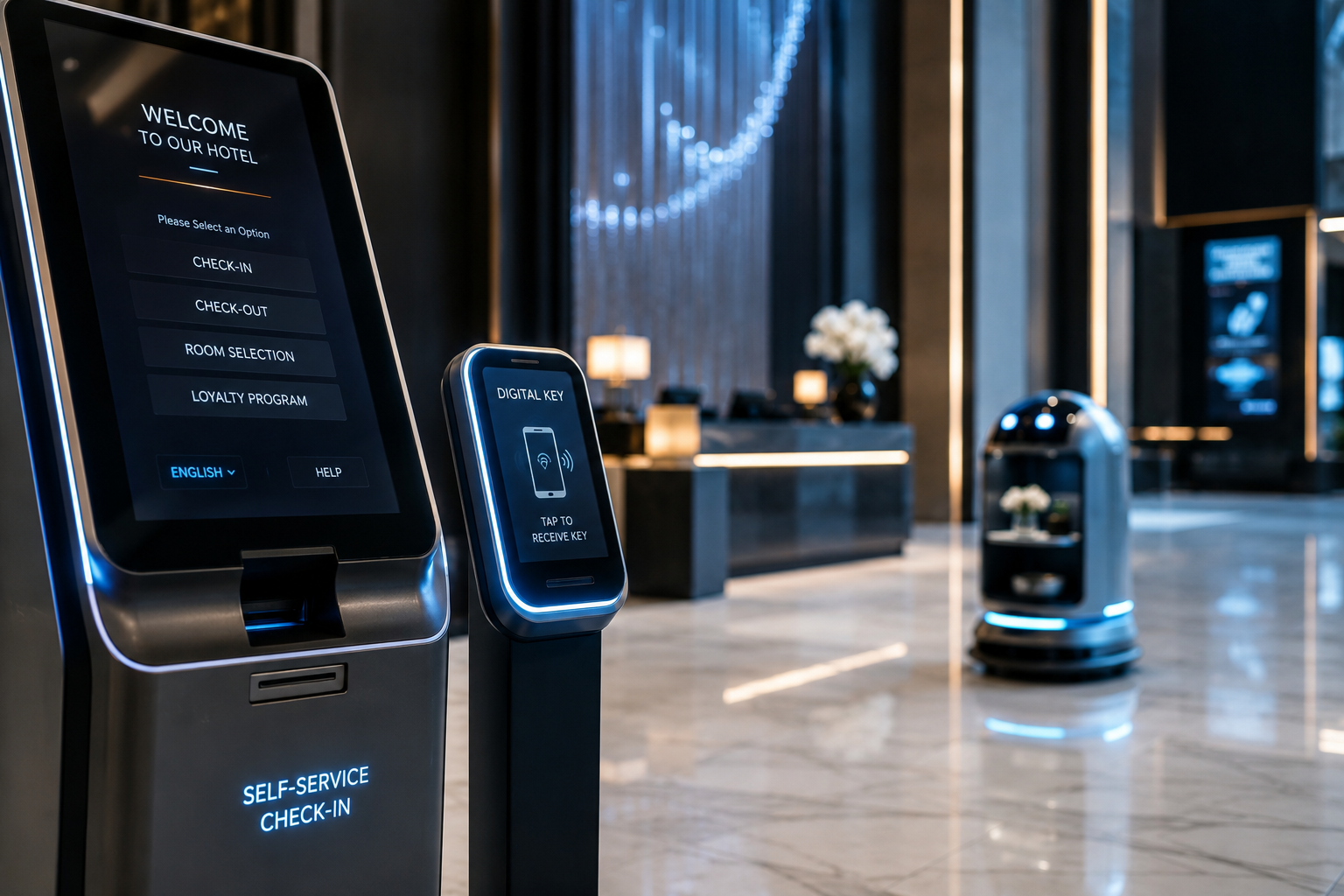
Technology Integration: The rise of self-service kiosks for check-in/out, mobile keys (using a smartphone as a room key), and AI-powered chatbots for handling basic inquiries pre-arrival is transforming the landscape. The human touch, however, will shift from transactional tasks to higher-value, personalized service.
-
Data-Driven Personalization: Using CRM (Customer Relationship Management) systems to track guest preferences and stay history allows for hyper-personalized service before the guest even arrives (e.g., “Welcome back, Mr. Smith. We have you in your preferred corner suite.”).
-
The Empowerment Economy: Hotels are increasingly empowering front-line staff to resolve guest issues on the spot, including offering compensation or amenities without needing managerial approval, thereby speeding up recovery and enhancing satisfaction.