A Strategic Opportunity for Modern Hotels & Resorts**
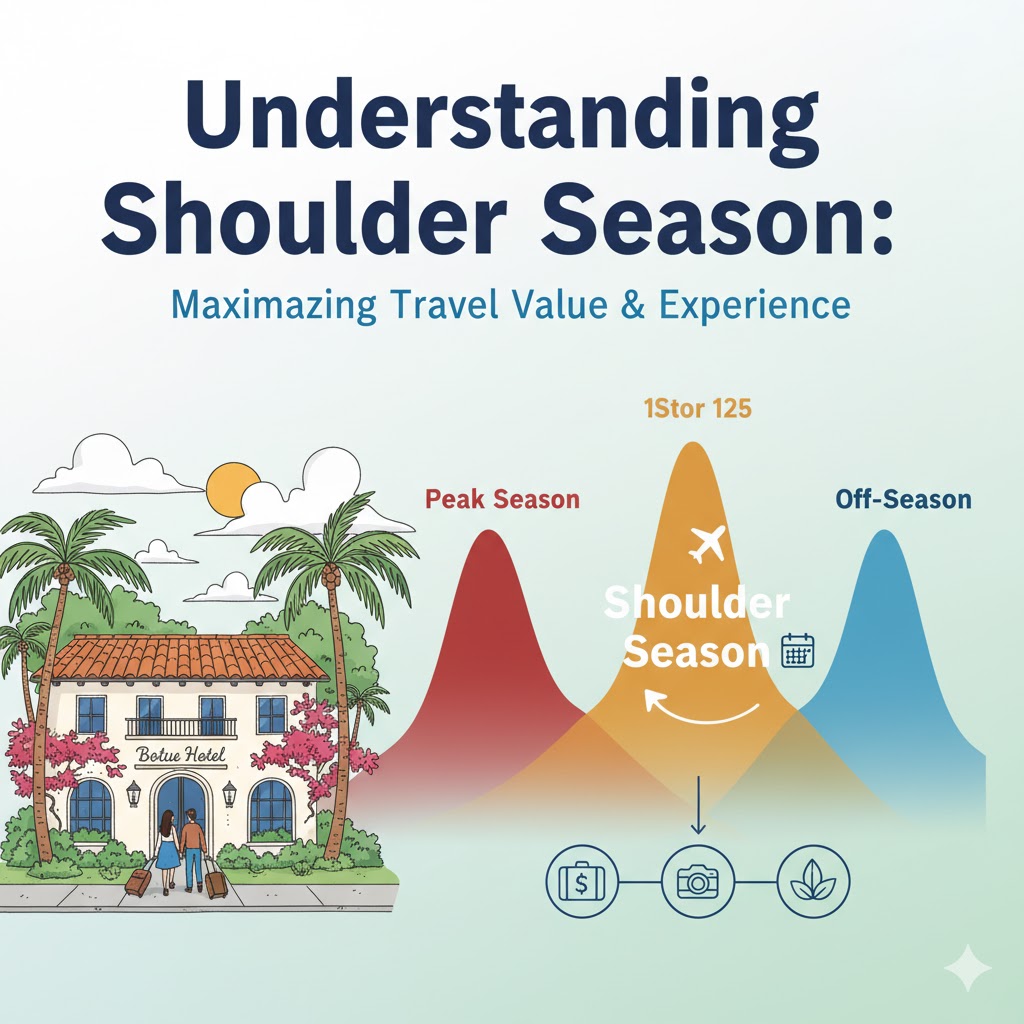
In the rapidly evolving world of hospitality, one concept remains both timeless and strategically powerful: the shoulder season. While peak and low seasons often dominate commercial planning, it is the shoulder season—those transitional months between high and low demand periods—that offers hotels and resorts some of their most valuable opportunities for revenue growth, brand elevation, and guest loyalty.
Unlike peak season, where rooms often sell themselves, or low season, where heavy discounts may be required, the shoulder season allows hoteliers to balance occupancy, maintain strong ADR, and create meaningful guest experiences with far more flexibility. Properties that understand and leverage this period effectively are often the ones that achieve strong year-round performance and a healthier bottom line.
Why the Shoulder Season Matters
Shoulder periods typically feature mild demand, pleasant weather, fewer crowds, and reduced competition. For travelers—especially couples, remote workers, and experience-driven guests—this presents the perfect window to travel. For hotels, it presents a rare opportunity to:
-
Strengthen average room rates without the intense rate pressure of low season
-
Increase occupancy with targeted, cost-effective marketing
-
Boost TRevPAR by promoting experiences, F&B, activities, and local partnerships
-
Test new packages and concepts that can later be scaled to other seasons
-
Build long-term loyalty by attracting guests who value authenticity and comfort over peak-season chaos
Strategies for Winning the Shoulder Season
Successful properties treat the shoulder season as a curated campaign—not an afterthought. Proven strategies include:
1. Curated Seasonal Packages
Combine accommodation with meaningful experiences:
-
Sunset dining
-
Wellness weekends
-
Cultural workshops
-
Nature excursions
-
Local community craft markets
These not only strengthen positioning but also increase ancillary revenue.
2. Precision Marketing & Micro-Targeting
Digital campaigns during shoulder periods should focus on:
-
Couples seeking calm getaways
-
Remote professionals looking for long-stay options
-
Regional travelers who prefer non-peak pricing
-
Niche groups (photographers, cyclists, wellness seekers, foodies)
Targeted storytelling always outperforms generic promotions.
3. Collaborating with Local Communities
Shoulder season is the ideal time to integrate:
-
Community-based tourism
-
Night markets
-
Farm-to-table programs
-
Workshops hosted by local artisans
-
Village tours and river activities
These collaborations create authentic experiences while supporting local economies.
4. Dynamic Pricing with Purpose
Rates should be:
-
Attractive enough to stimulate demand
-
Strong enough to protect brand value
-
Flexible to short booking windows
-
Paired with incentives like F&B credit or late check-out
The goal is to add value—not reduce price unnecessarily.
5. External Market Expansion
Shoulder season is a strong entry point for:
-
Emerging Asian markets
-
Digital nomads
-
Small incentive groups
-
Niche experiential travelers from Europe
A well-designed shoulder-season campaign can open new international pipelines.
Conclusion
The shoulder season is no longer simply a “bridge” between high and low periods. For forward-thinking hotels and resorts, it is a strategic goldmine—an opportunity to strengthen brand identity, optimize revenue, and differentiate through meaningful experiences.
When executed with insight and creativity, the shoulder season can become a property’s most profitable and memorable time of year.