By Charles Tan
**Where Nature Meets Elegance — A New Frontier in Hospitality**
In an era defined by overstimulation and constant motion, travelers are longing for a quieter, deeper kind of escape—one that reconnects them with the earth while preserving the comforts they cherish.
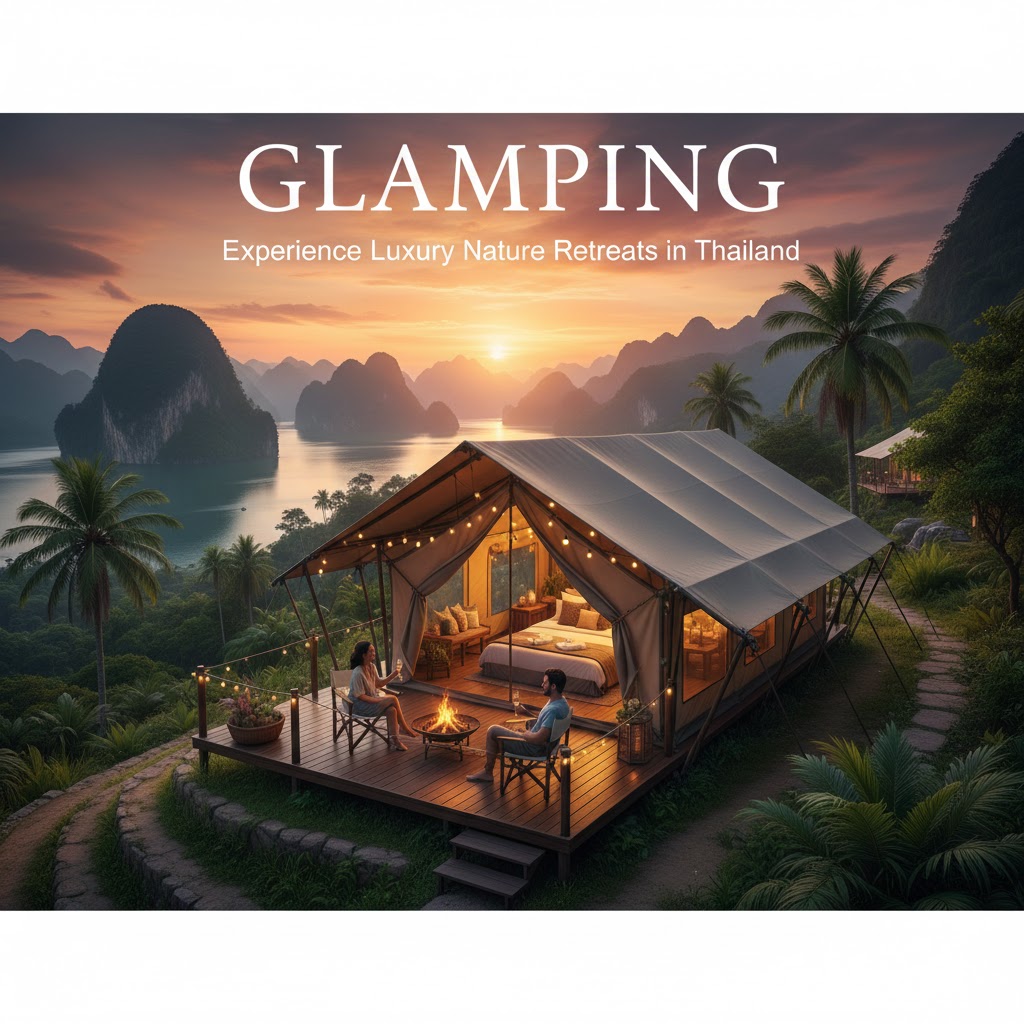
From this desire, Glamping—“Glamorous Camping”—has risen not as a trend, but as a new chapter in experiential hospitality. It is where canvas meets craftsmanship, where wilderness meets design, and where storytelling becomes a tangible part of the stay.
Below is a comprehensive and uniquely articulated exploration of Glamping: its strengths, its limitations, its possibilities, and the marketing horizon that lies ahead.
- What Glamping Truly Is — Beyond the Tent
Glamping is often mistaken for an upgraded campsite.
In truth, it is the hotel industry’s bridge between the artificial and the organic.
A true Glamping resort blends:
- Designer tents, geodesic domes, safari lodges, or modular cabins
- Full in-unit bathrooms and hotel-grade bedding
- Electricity, climate control, and curated amenities
- F&B concepts built around outdoor dining
- Nature-immersive experiences: star-dining, forest cafés, kayaking, wellness rituals
It is hospitality wrapped in sky and landscape, yet delivered with the standards of a boutique resort.
- Strengths — The Unique Power of the Glamping Concept
2.1 A Distinctive Value Proposition
Glamping offers what hotels cannot:
intimacy with nature without compromising comfort.
Guests do not merely stay; they experience.
2.2 Lower Capital Investment
Compared to conventional resorts:
- Construction is faster
- Infrastructure is lighter
- Investment per key is significantly lower
Yet daily rates can rival 3–4 star hotels in the same region.
2.3 Quick to Launch, Quick to Return
Modular builds and prefabricated units allow opening within 60–90 days,
accelerating ROI and reducing development risk.
2.4 Perfect Fit for Modern Lifestyles
Urban travelers crave:
- Weekend escapes
- Social-media-worthy moments
- Wellness and mindfulness
- Work-from-anywhere flexibility
Glamping aligns effortlessly with these desires.
2.5 Strong Pricing Power
Because guests purchase experience, atmosphere, and memory,
not simply a bed.
- Key Advantages — What Makes It Shine
3.1 Naturally Viral
A sunrise seen through a glass dome, a candlelit dinner under stars—
Glamping markets itself through imagery alone, reducing ad dependency.
3.2 Highly Scalable
Operators can expand or contract inventory with minimal disruption.
3.3 Flexible Positioning
Budget, midscale, premium, wellness, romantic, adventure—
one concept can yield multiple price tiers.
3.4 Experience-first DNA
Retreats, thematic events, forest dining, outdoor spa, proposal packages—
Glamping thrives on curated moments.
- Weaknesses — The Challenges Beneath the Charm
4.1 Weather Dependency
Heavy rain, strong winds, and humidity can impact guest comfort
and accelerate equipment wear.
4.2 Land Sensitivity
Requires scenic locations; the “ordinary” will not do.
4.3 Revenue Seasonality
Low season dips can be significant without creative programming.
4.4 Infrastructure Requirements
Water, electricity, drainage, pest control—
poor planning quickly erodes guest satisfaction.
4.5 Safety & Wildlife Management
Insects, snakes, and natural elements require strict protocols.
- Opportunities — Where Growth Truly Lies
5.1 Wellness in Nature
As wellness tourism grows globally, nature-based retreats
(yoga, detox, breathwork, healing journeys) fit seamlessly into Glamping.
5.2 Thematic Destinations
African safaris, Scandinavian domes, bamboo jungle retreats,
winter-in-the-mountains concepts—
themes dramatically enhance storytelling.
5.3 Work-from-Anywhere Travelers
Remote workers seek peaceful environments with reliable Wi-Fi
and scenic comfort.
5.4 Thailand’s Geographic Advantage
Few countries have Thailand’s diversity of landscapes:
rivers, mountains, beaches, jungles—all within reach.
- Threats — Factors That Require Careful Governance
6.1 Growing Competition
The barrier to entry is low; differentiation is essential.
6.2 Rising Guest Expectations
Images online set standards high—
a disappointing stay can damage reputation quickly.
6.3 Regulatory Limitations
Zoning, environmental protection areas, and land ownership
must be treated with precision.
6.4 Long-Term Maintenance Cost
Premium tents and domes often require replacement every 3–5 years.
- Market Trends — The Road Ahead
7.1 The Rise of “Luxury Glamping”
A new category blending 4–5 star amenities:
- Outdoor bathtubs
- Panoramic skylight domes
- Butler-style service
- Curated dining experiences
7.2 Eco-Forward Development
Solar power, bamboo structures, low-impact architecture—
sustainability is becoming a core selling point.
7.3 Multi-Day Retreats
Packages that combine nature with purpose:
- Holistic wellness
- Digital detox
- Romance escapes
- Adventure programs
7.4 Influencer Collaboration as a Sales Engine
Glamping is visually irresistible; influencers accelerate exposure.
7.5 Smarter Materials & Technology
Cooling tents, airflow systems, upgraded weather-resistant fabrics—
designs are becoming more comfortable and more durable.
**Conclusion
Glamping Is Not Just a Product — It Is a Philosophy**
At its heart, Glamping is the celebration of a simple idea:
that comfort and nature can coexist beautifully when thoughtfully designed.
For developers and investors, it represents:
- Lower risk
- Faster deployment
- Strong emotional appeal
- High experiential value
- Remarkable pricing potential
But like all hospitality ventures, success depends on the essentials:
location, concept, experience, and reputation.
When executed with authenticity and creativity, Glamping becomes more than accommodation—
it becomes a memory etched into the traveler’s life.